ENTRY TO OUR $50K CASH GIVEAWAY IS NOW CLOSED

OUR $50K CASH GIVEAWAY IS NOW CLOSED

Health and Wellbeing Articles

Better understanding leads to better welfare.

Horses are complex, sensitive animals, and many welfare issues go unrecognised simply because the signs are subtle or misunderstood. At The Happy Horse Foundation, we believe that access to clear, evidence-informed education empowers owners and carers to make better decisions, ask better questions, and advocate more confidently for their horses.

Our articles are written to share quality, real-world information grounded in current equine knowledge and welfare-aligned practice. They are designed to encourage thoughtful observation, critical thinking, and informed conversations – always with the horse’s wellbeing at the centre.

The Myth of the ‘Good Doer’ or ‘Easy Keeper’

The Myth of the ‘Good Doer’ or ‘Easy Keeper’ The Myth of the ‘Good Doer’ or ‘Easy Keeper’ Why everyday … Read more

Pain ≠ Behaviour

Pain ≠ Behaviour Why everyday labels often hide discomfort in horses Pain in horses rarely looks the way we expect … Read more

Gastric Ulcers in Horses

Gastric Ulcers in Horses How management, behaviour and biology interact to create ulcer risk How the horse’s digestive system functions … Read more

Recognising Dental Pain in Horses

Recognising Dental Pain in Horses Signs, Causes and Practical Management Dental pain in horses is common, often subtle and frequently … Read more
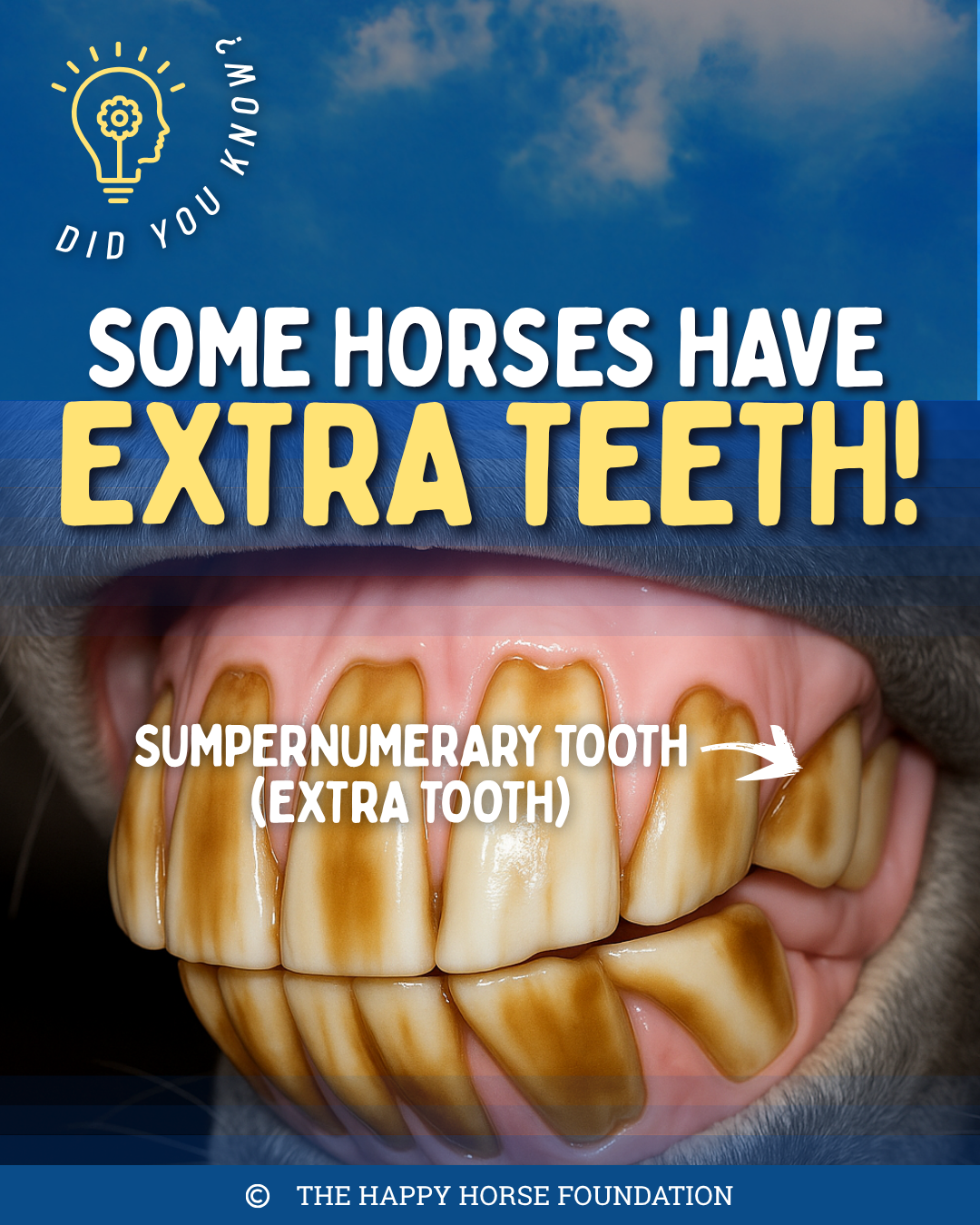
Did you know? Some horses have extra teeth!
Did you know? Some horses have extra teeth! Supernumerary teeth are additional teeth that develop beyond the normal number. They … Read more

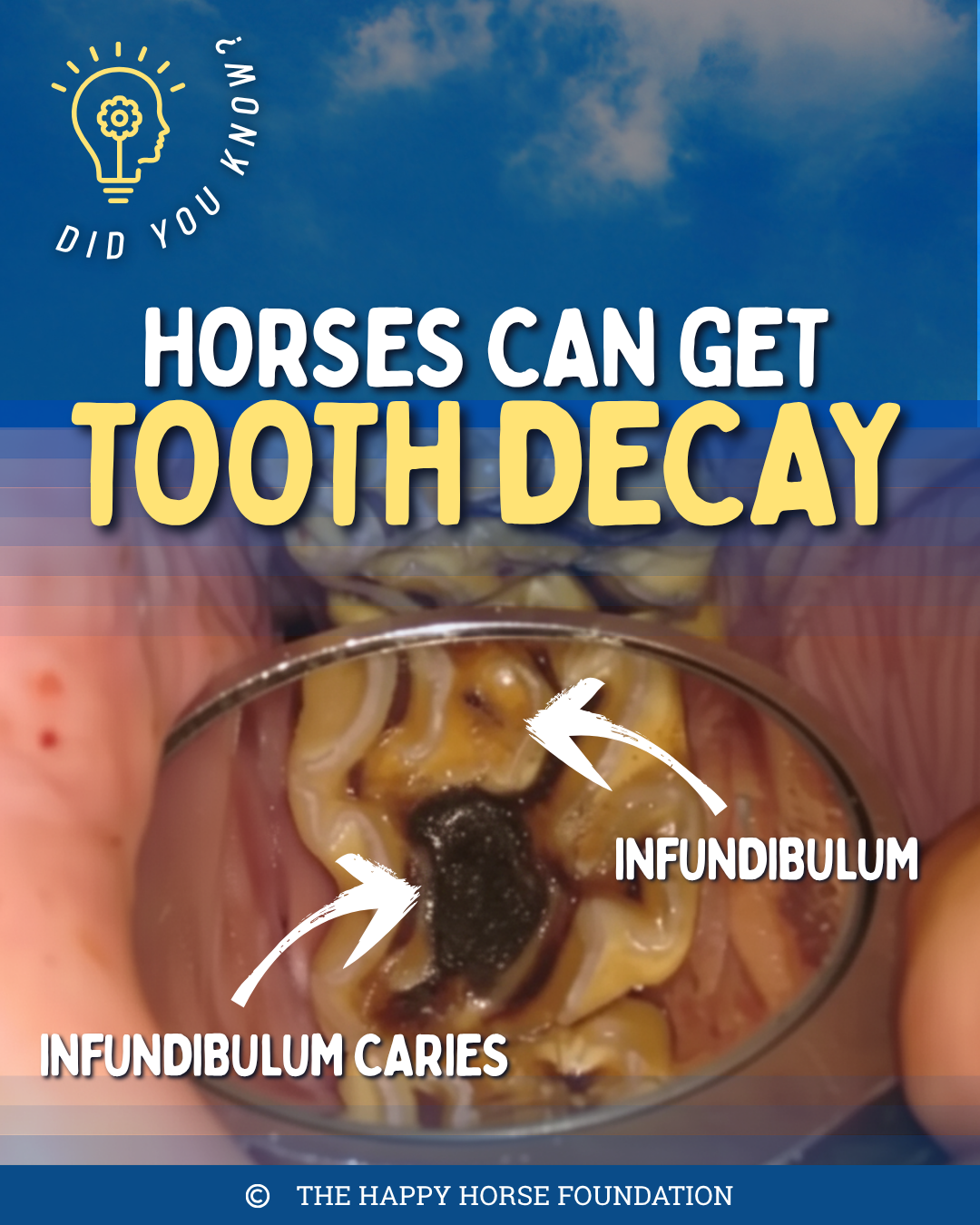
Horses can get tooth decay too!

Did you know? Horses can get tooth decay too! Dental caries, or tooth decay, occur when bacteria break down food … Read more

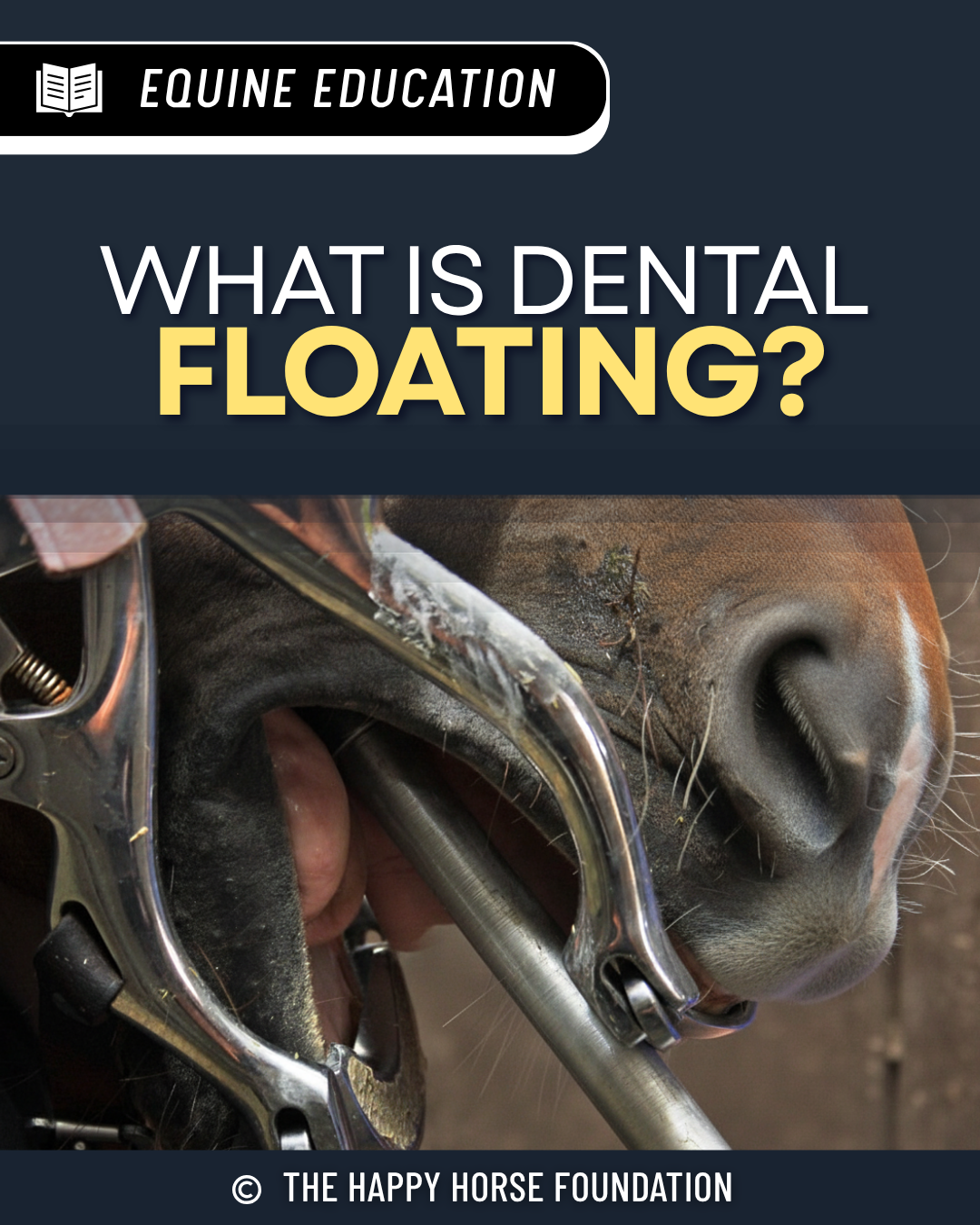
What is dental floating?

What is dental floating? “Floating” is the term used for filing down sharp enamel points or overgrown areas on a … Read more

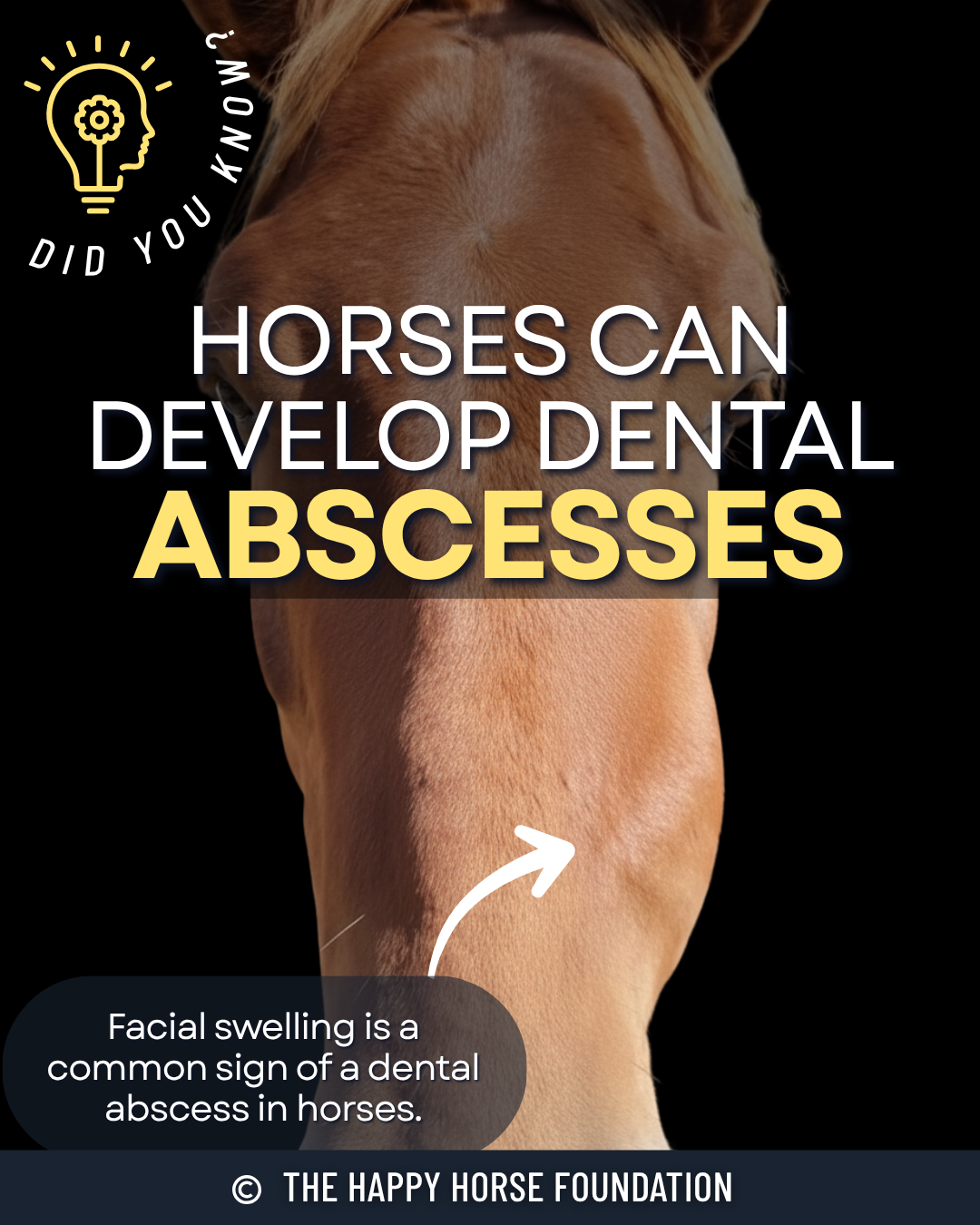
Did you know? Horses can develop dental abscesses!
Did you know? Horses can develop dental abscesses! A dental abscess occurs when bacteria invade the pulp or root of … Read more

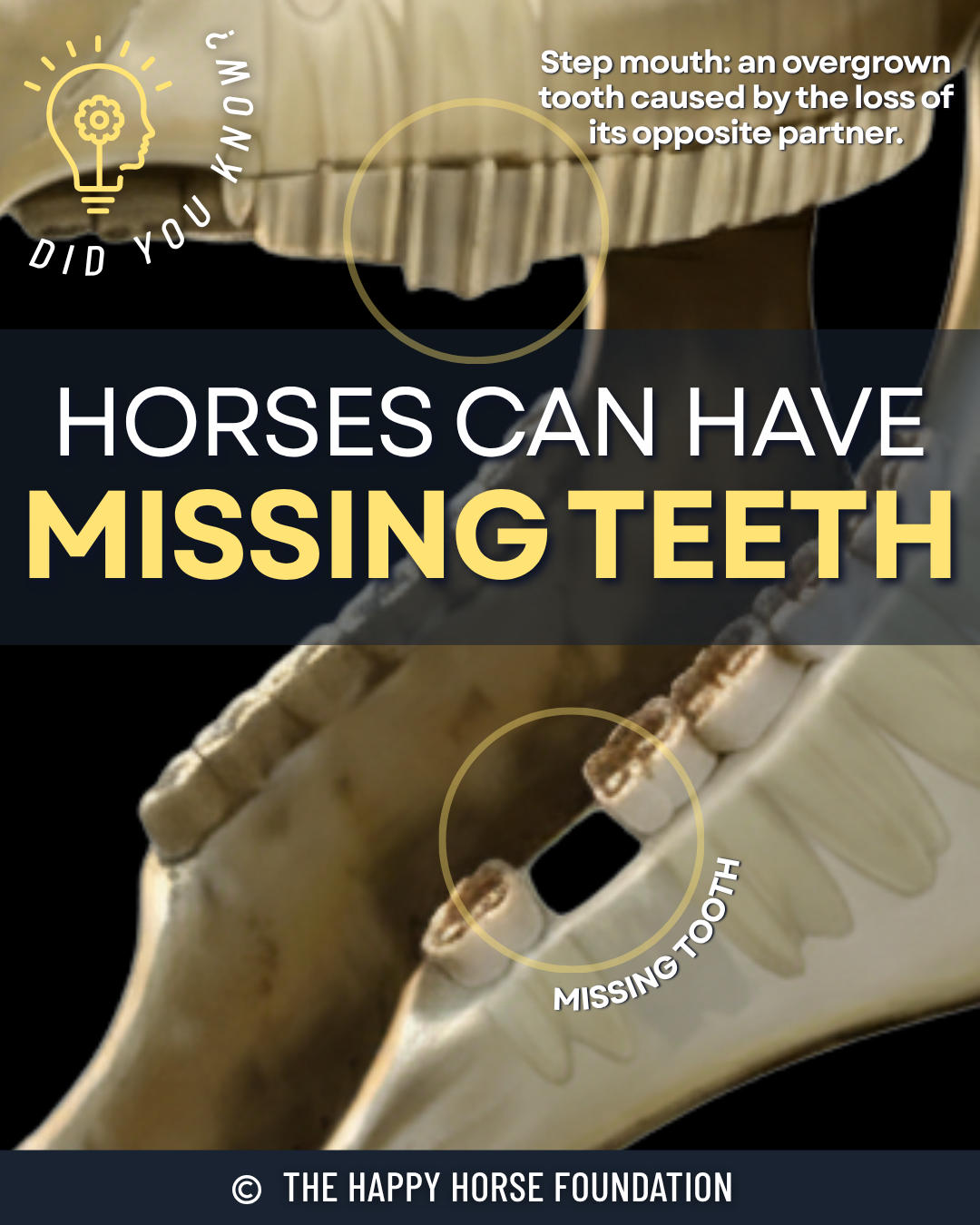
Did you know? Horses can have missing teeth?
Did you know? Horses can have missing teeth? Missing teeth may be present from birth (congenital absence) or occur later … Read more

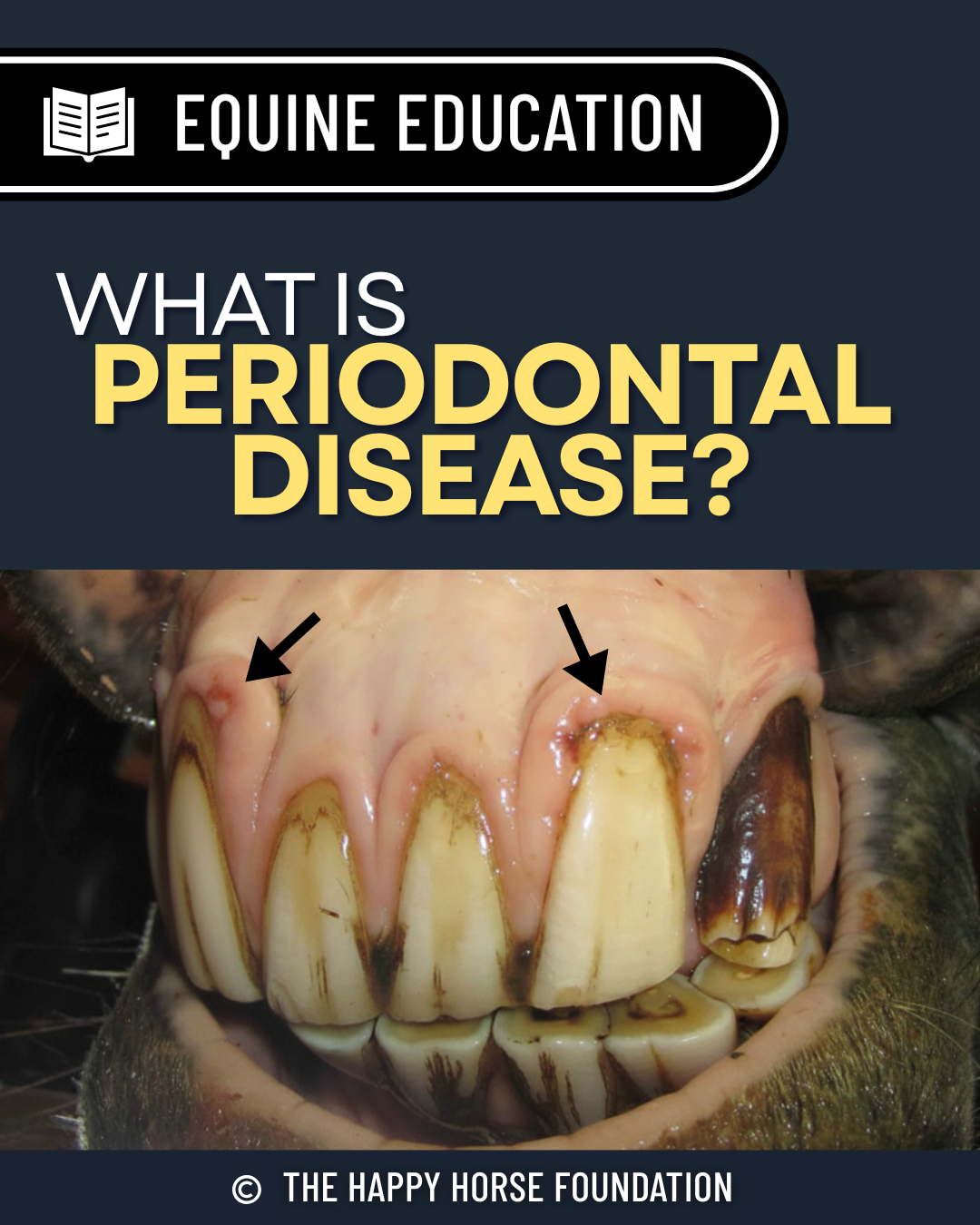
What is periodontal disease?

What is periodontal disease? Periodontal disease is a painful condition where the tissues around the teeth – including the gums, … Read more

Did you know? Horses have canine teeth!
Did you know? Horses have canine teeth! Canine teeth are sharp, pointed teeth that sit in the gap (interdental space) … Read more

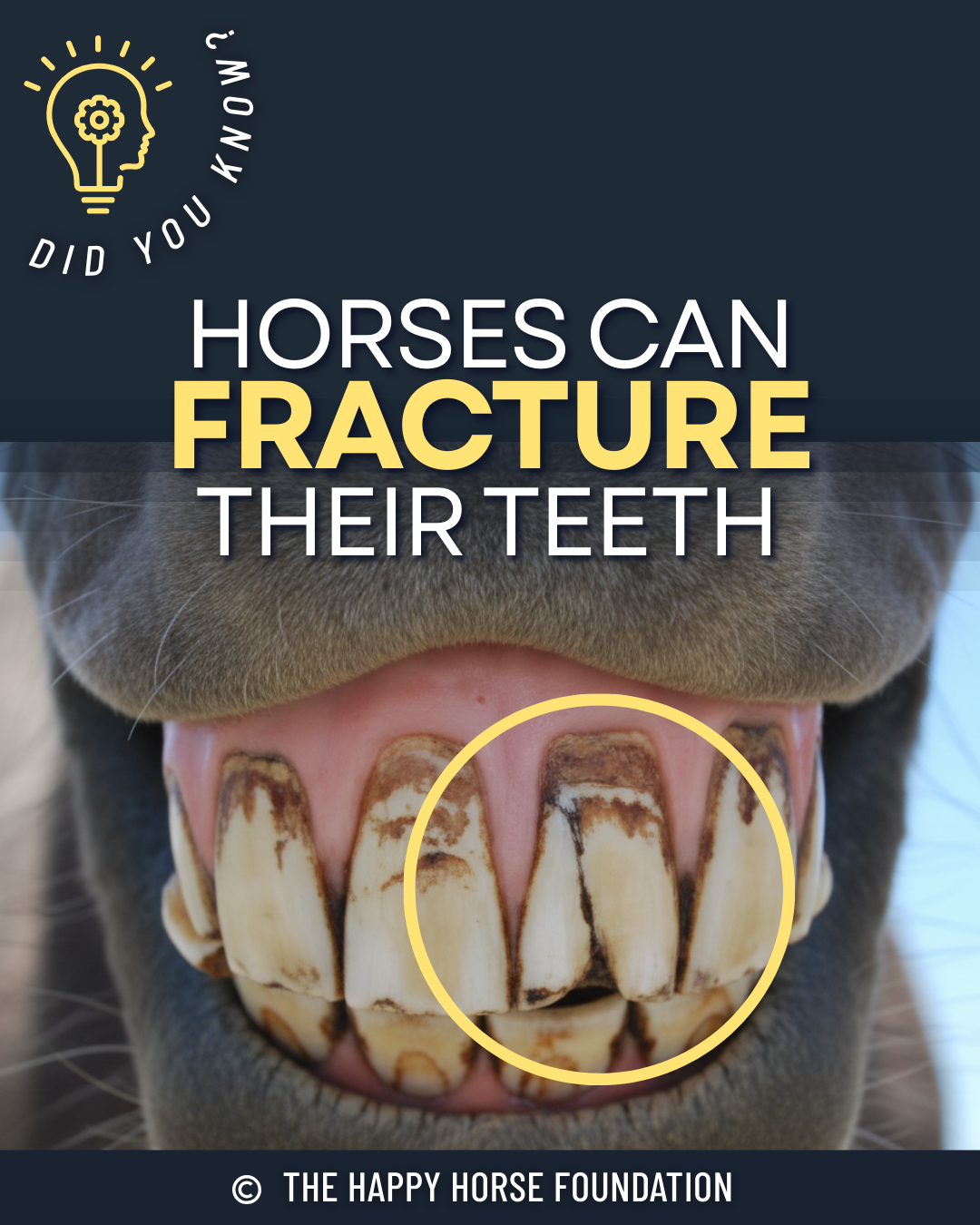
Did you know? Horses can fracture their teeth!
Did you know? Horses can fracture their teeth! Fractured teeth are more common than many people realise. They can occur … Read more

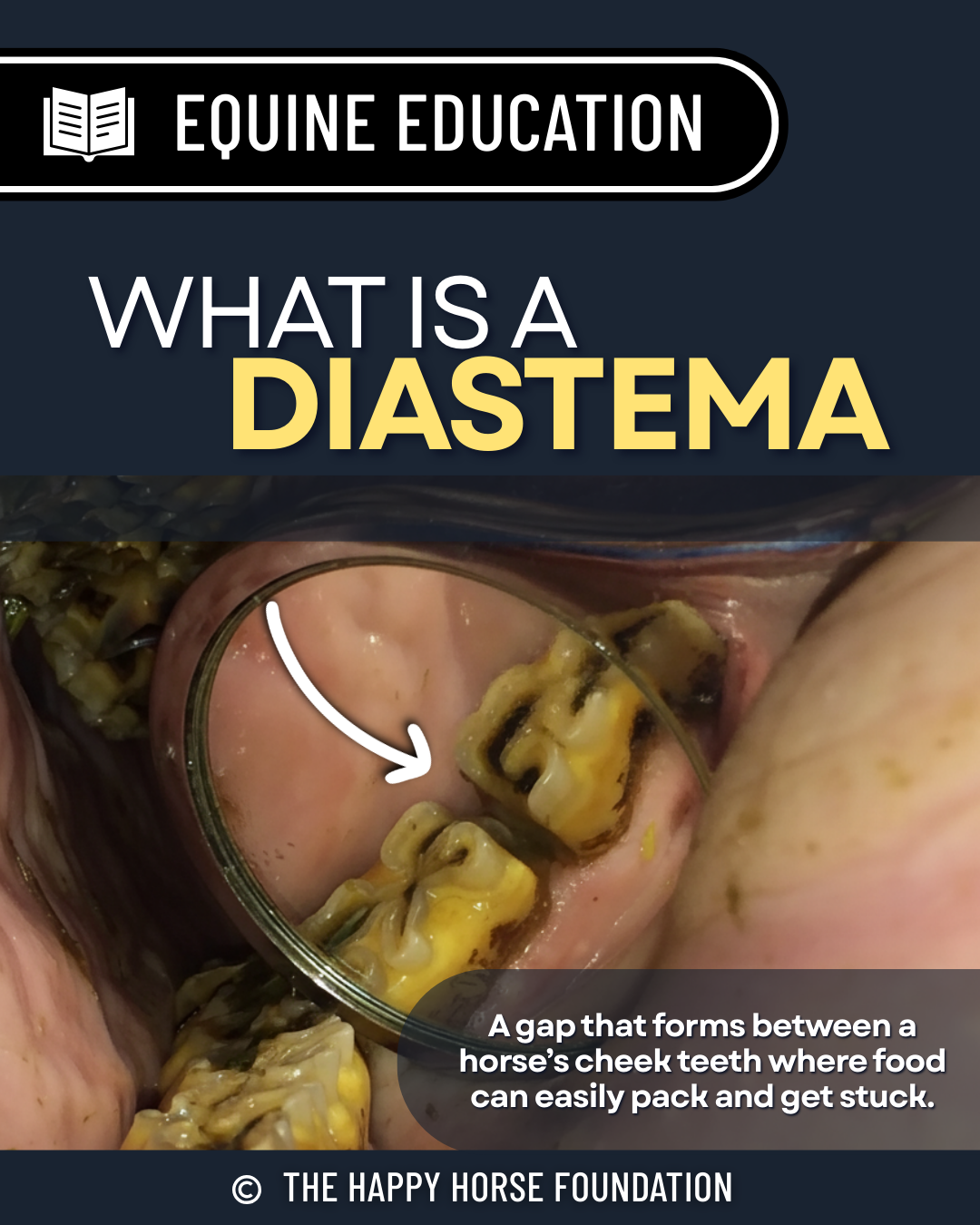
Did you know? Horses can develop diastema (the singular term for a gap)!
Did you know? Horses can develop diastema (the singular term for a gap)! Diastemata (the plural term for these gaps) … Read more

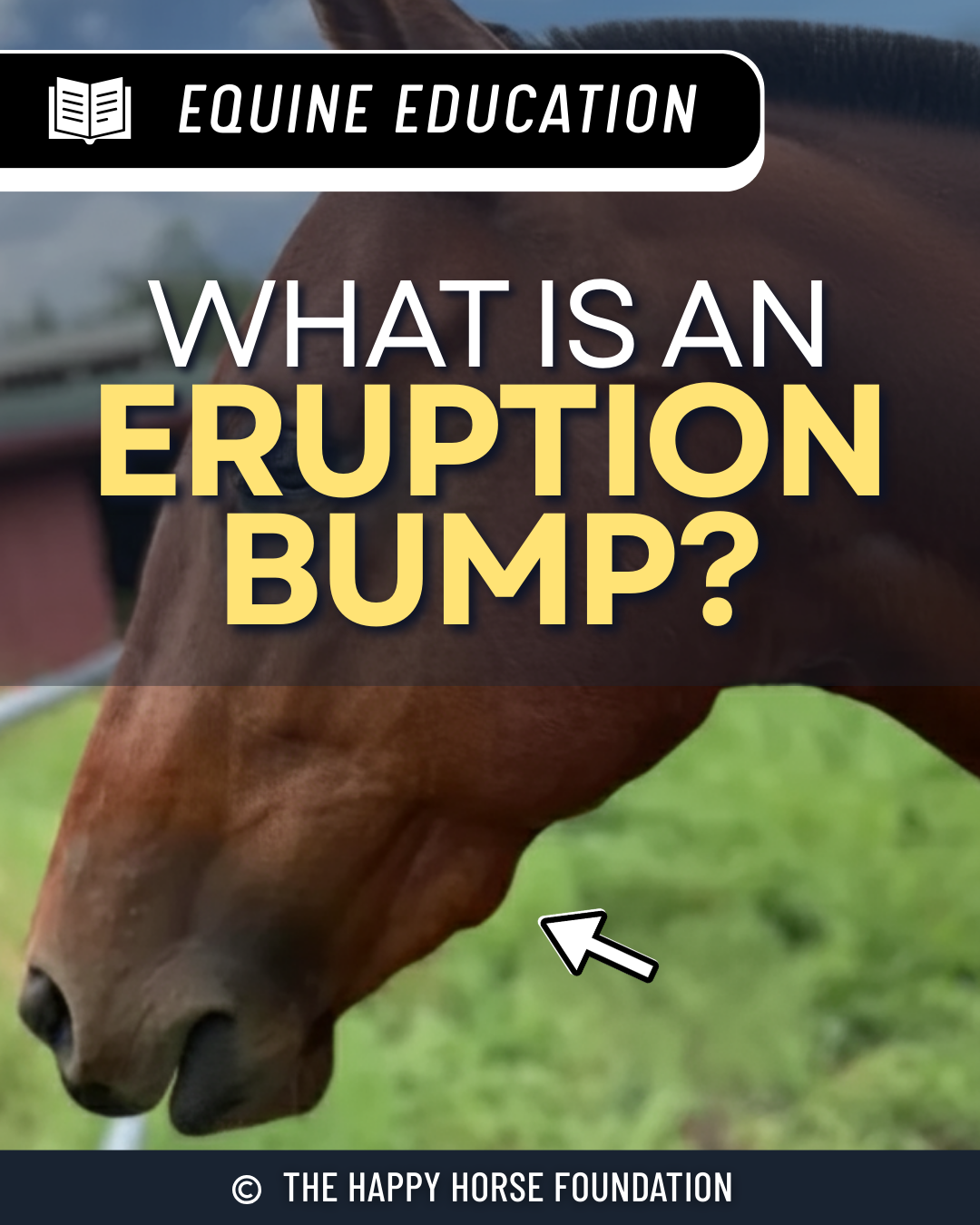
Did you know? Young horses can develop eruption bumps!
Did you know? Young horses can develop eruption bumps! Eruption bumps are firm swellings that appear on the lower jaw … Read more

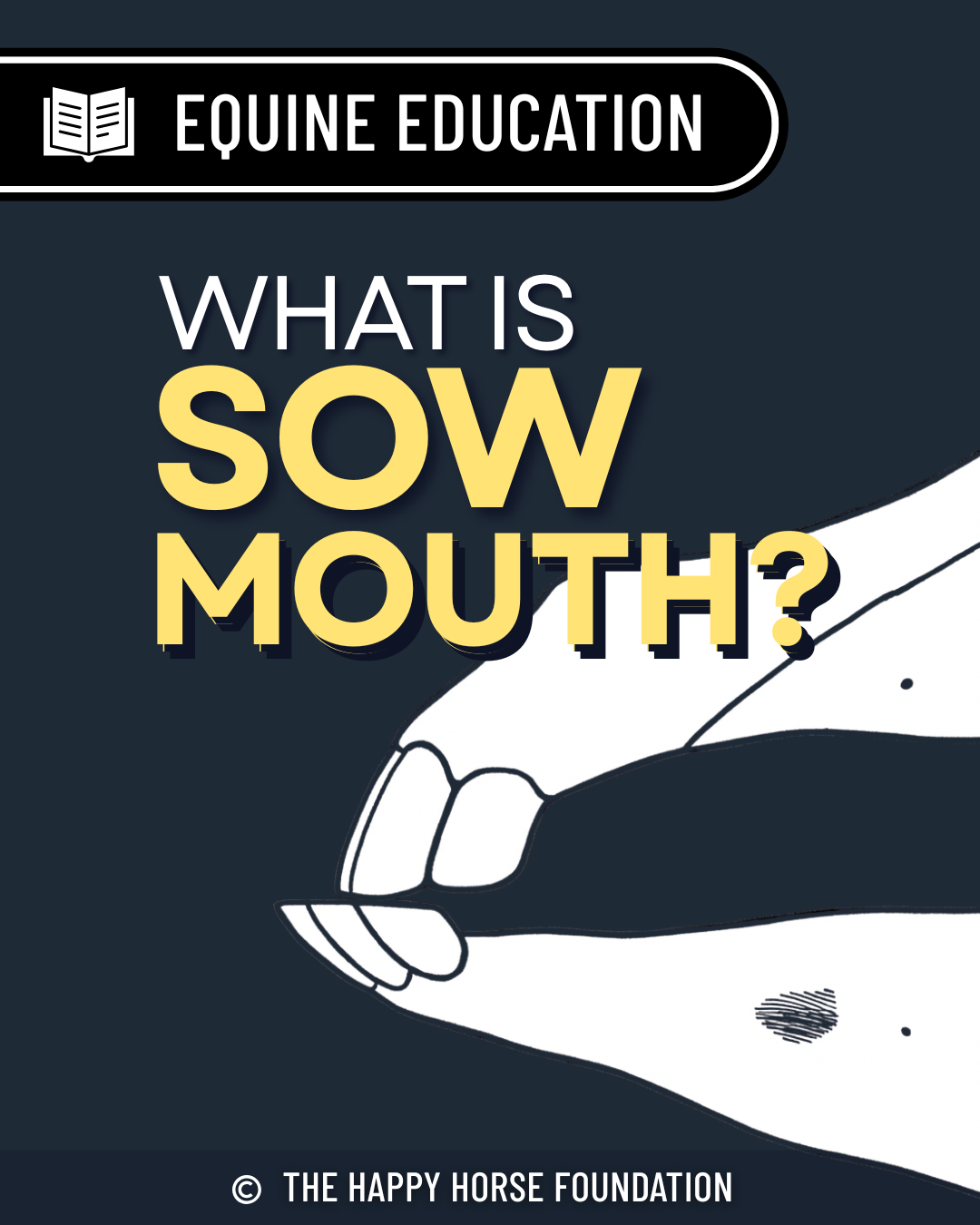
What is sow mouth in horses?

What is sow mouth in horses? Sow mouth, also known as prognathism, is a dental abnormality from birth where the … Read more

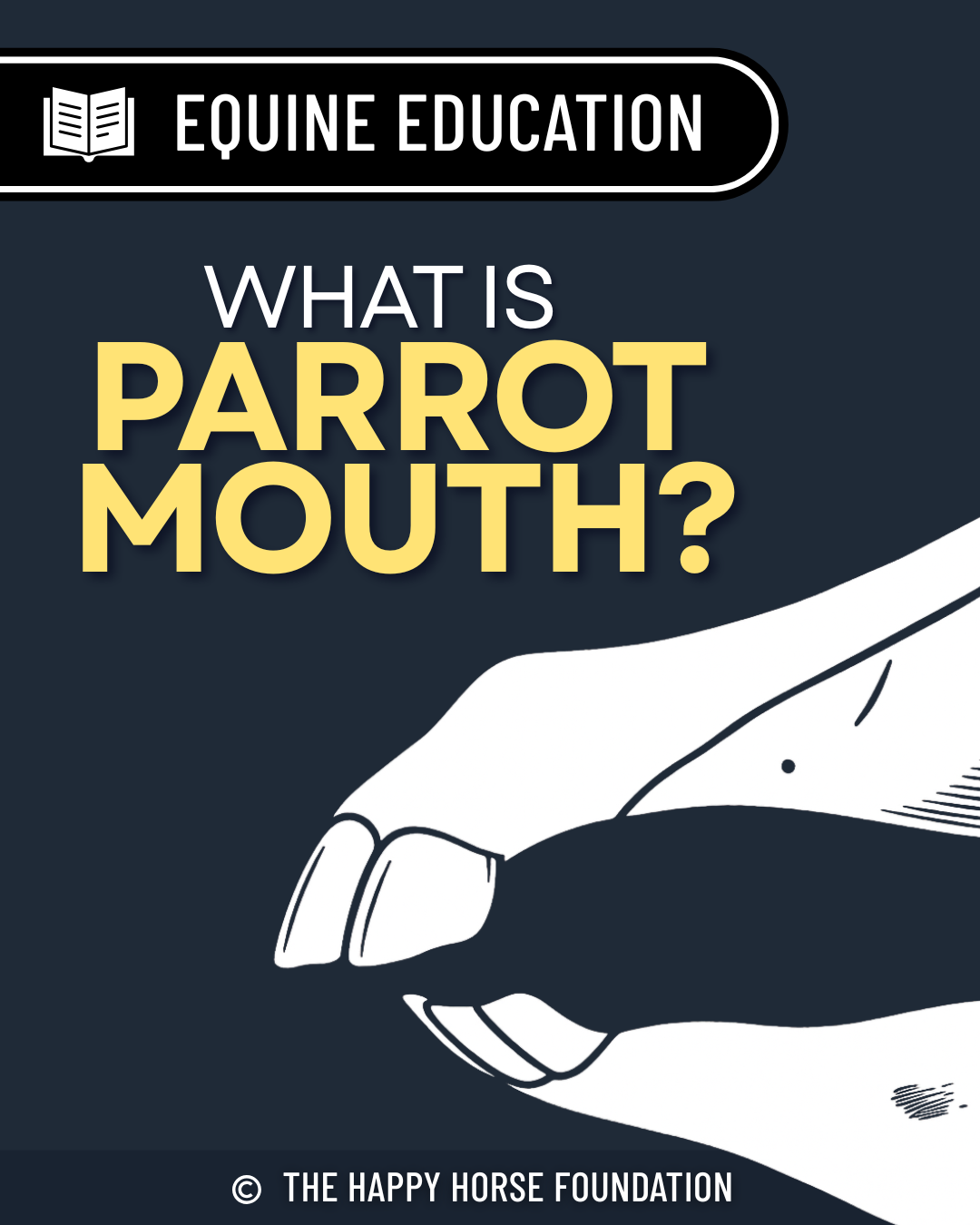
What is parrot mouth in horses?

What is parrot mouth in horses? Parrot mouth, also known as brachygnathism, is a dental abnormality from birth where the … Read more
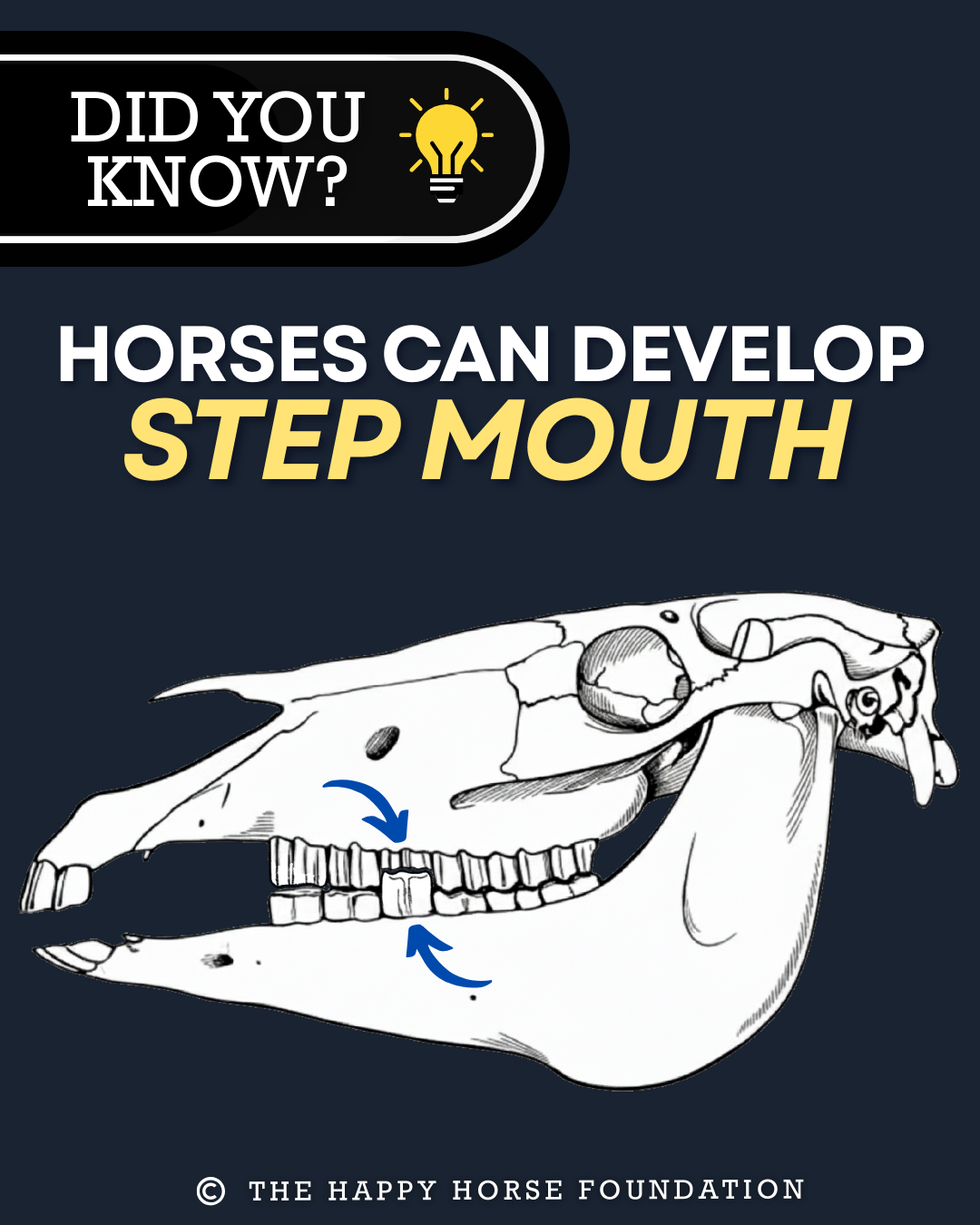
Did you know? Horses can develop step mouth!
Did you know? Horses can develop step mouth! Step mouth is a dental abnormality where one cheek tooth (molar) becomes … Read more

Did you know? Horses can develop shear mouth!
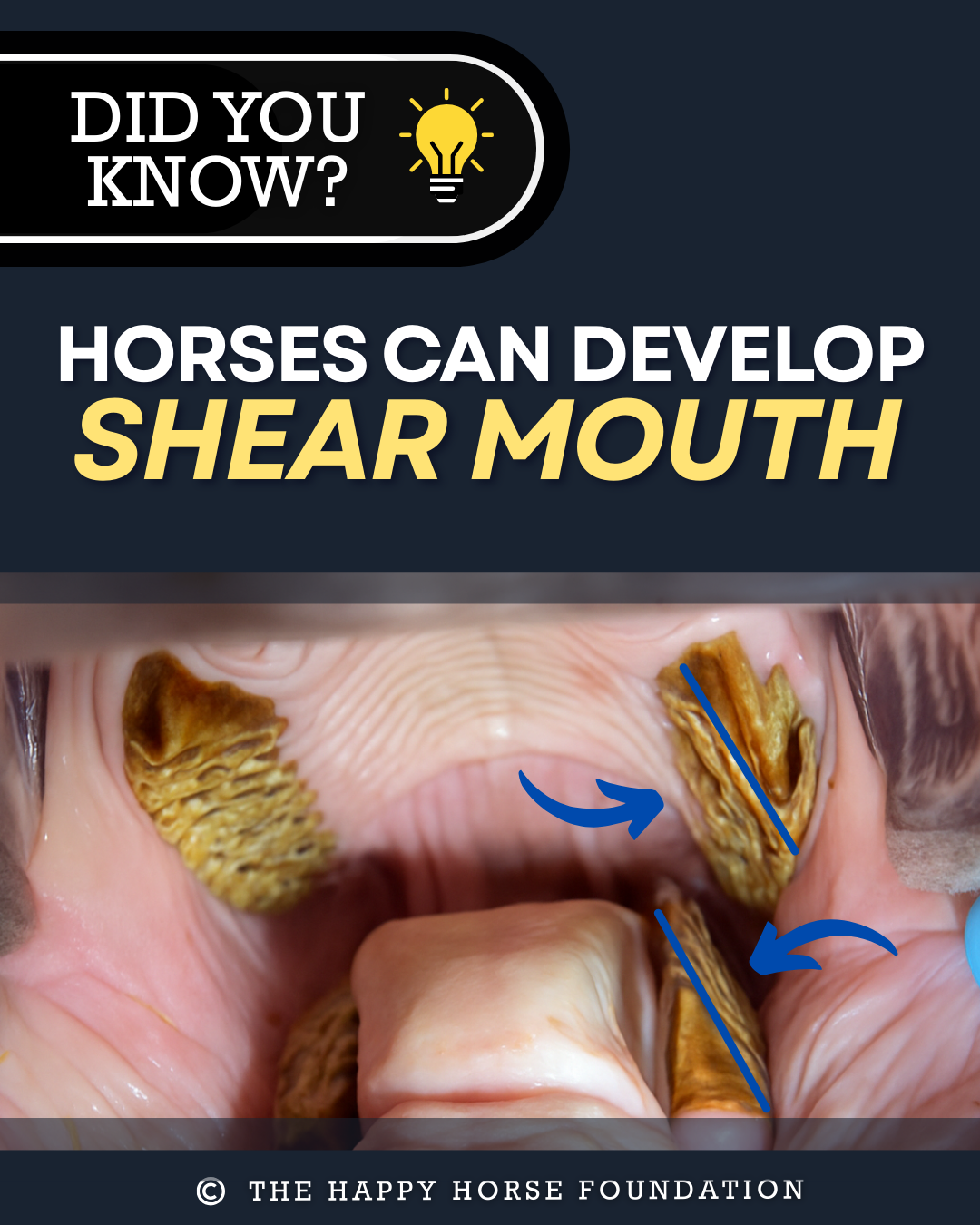
Did you know? Horses can develop shear mouth! Shear mouth is one of the more severe dental malocclusions that can … Read more

Did you know? Horses can develop smile mouth and frown mouth!
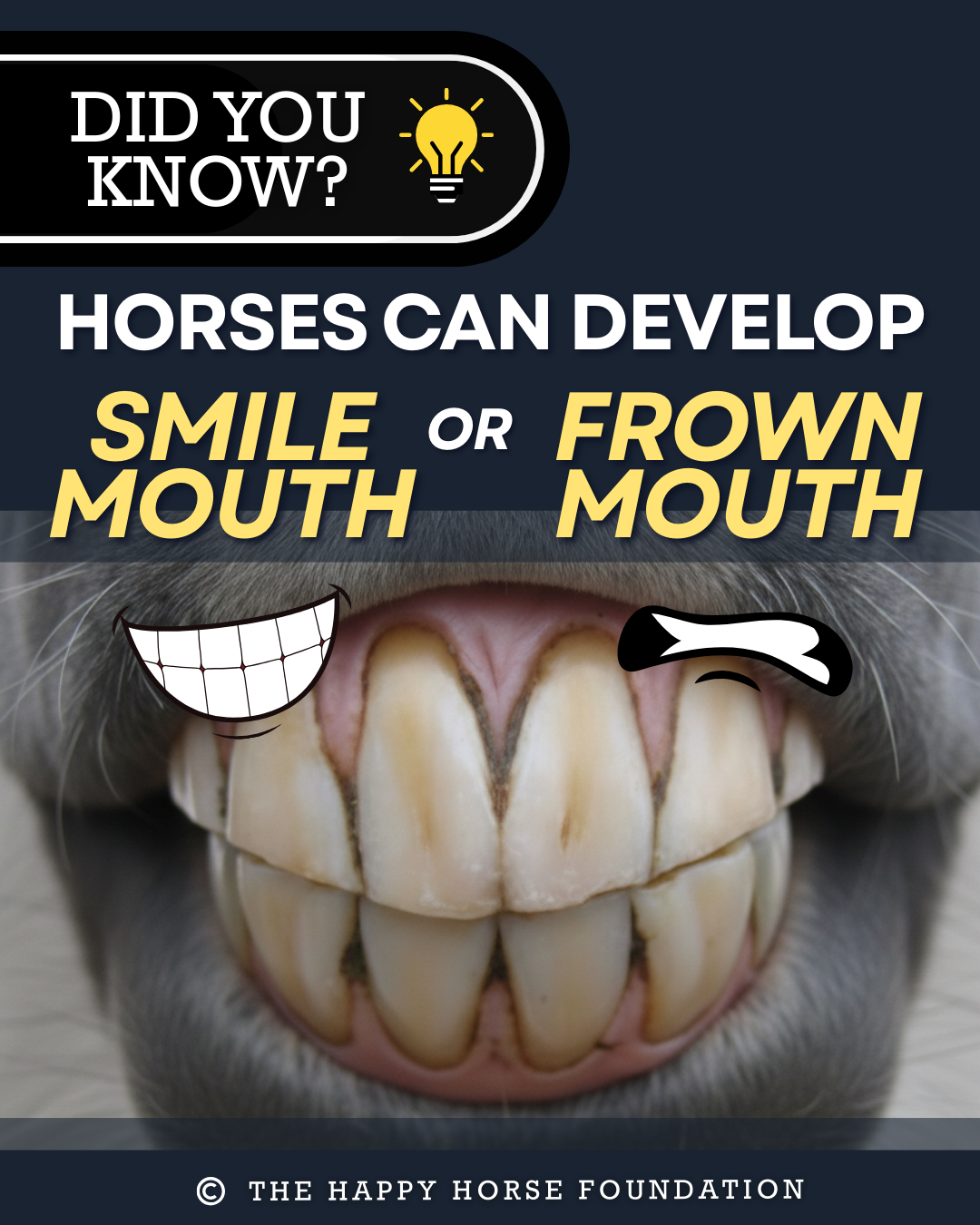
Did you know? Horses can develop smile mouth and frown mouth! Smile mouth and frown mouth are malocclusions of the … Read more

Did you know? Horses can develop hooks and ramps on their teeth!
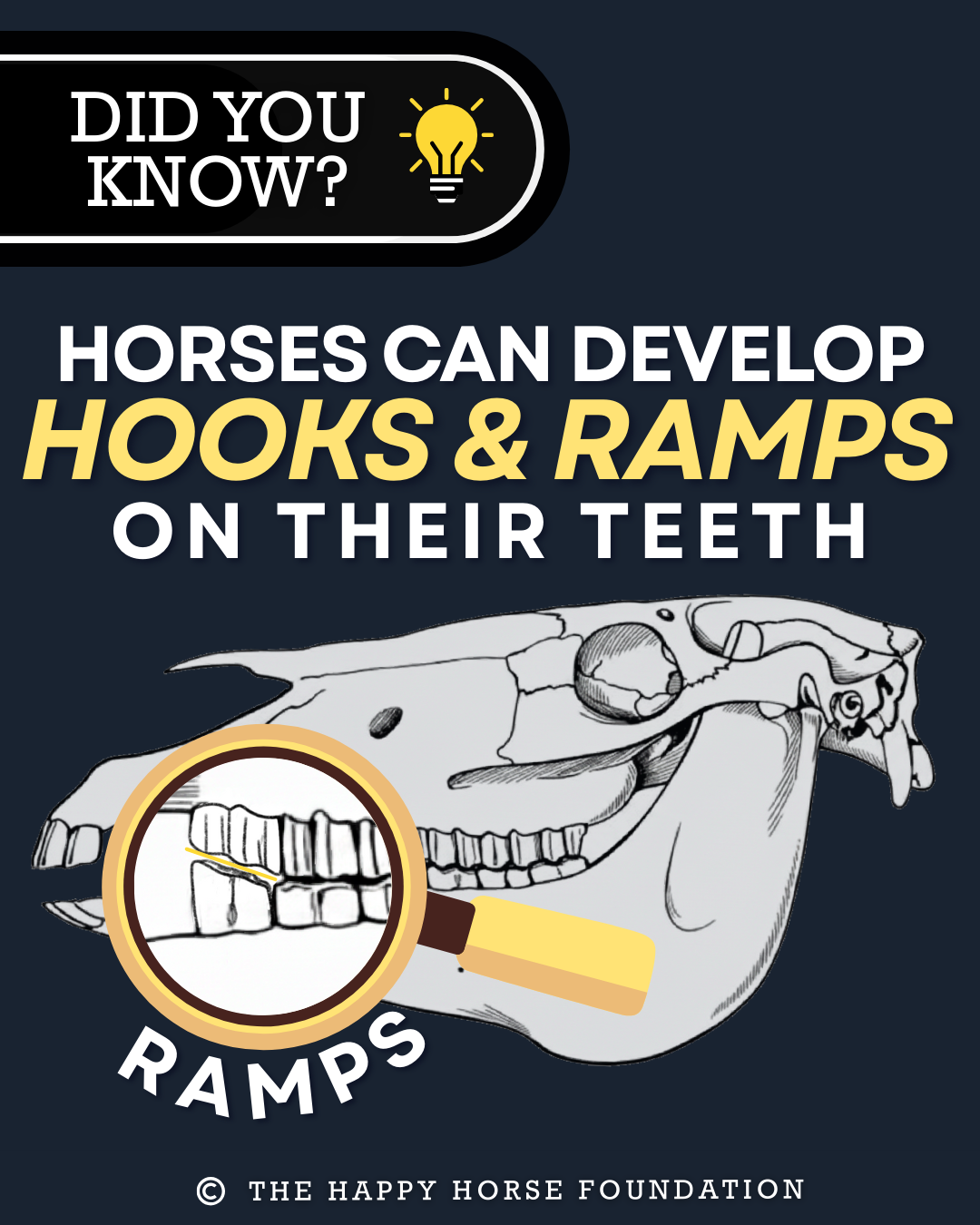
Did you know? Horses can develop hooks and ramps on their teeth! Hooks and ramps are abnormal wear patterns that … Read more

Did you know? Horses can develop slant mouth!
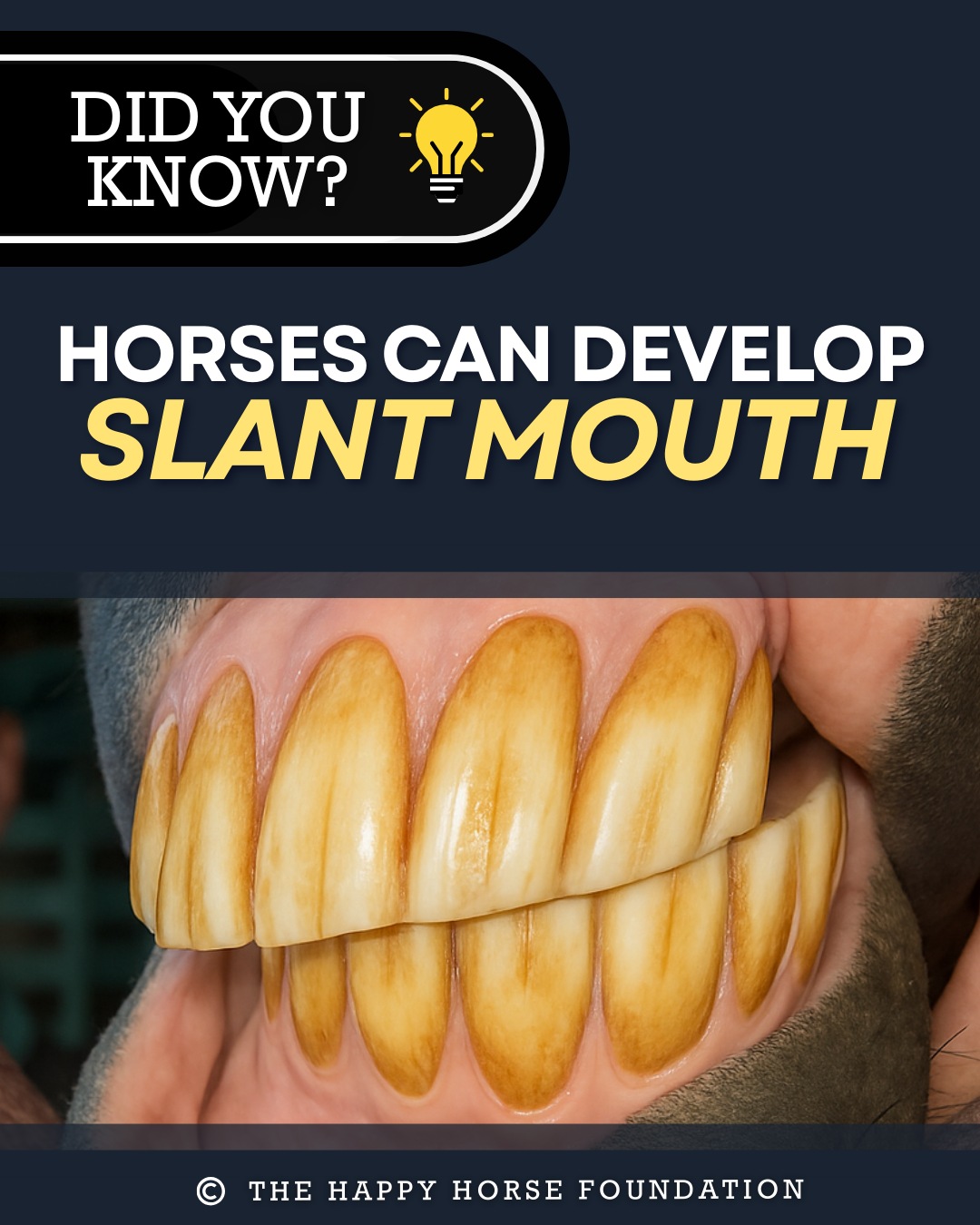
Did you know? Horses can develop slant mouth! Slant mouth, also called diagonal bite, is an uneven wear pattern of … Read more

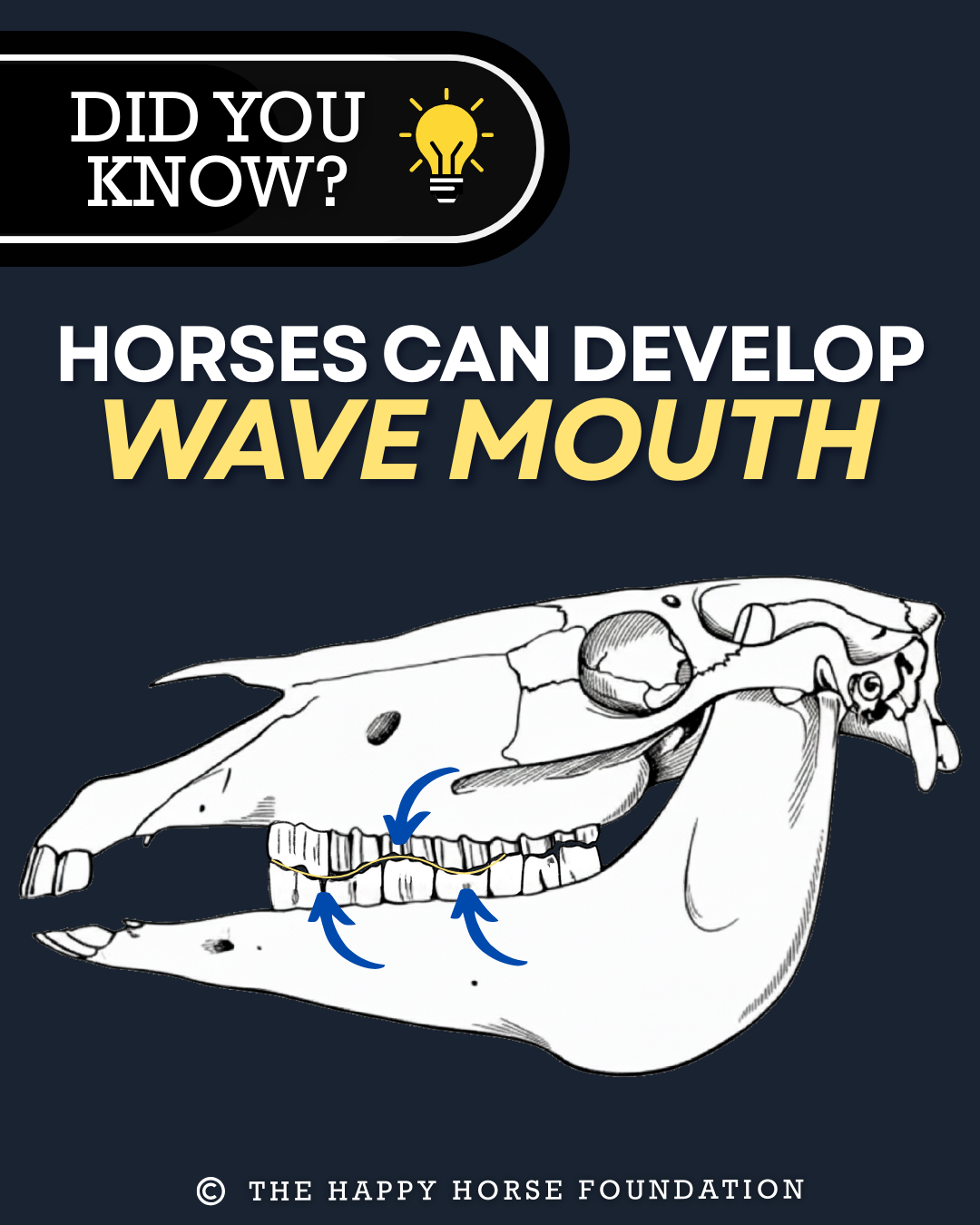
Did you know? Horses can develop wave mouth!
Did you know? Horses can develop wave mouth! Wave mouth is an abnormal wear pattern where the chewing surface of … Read more

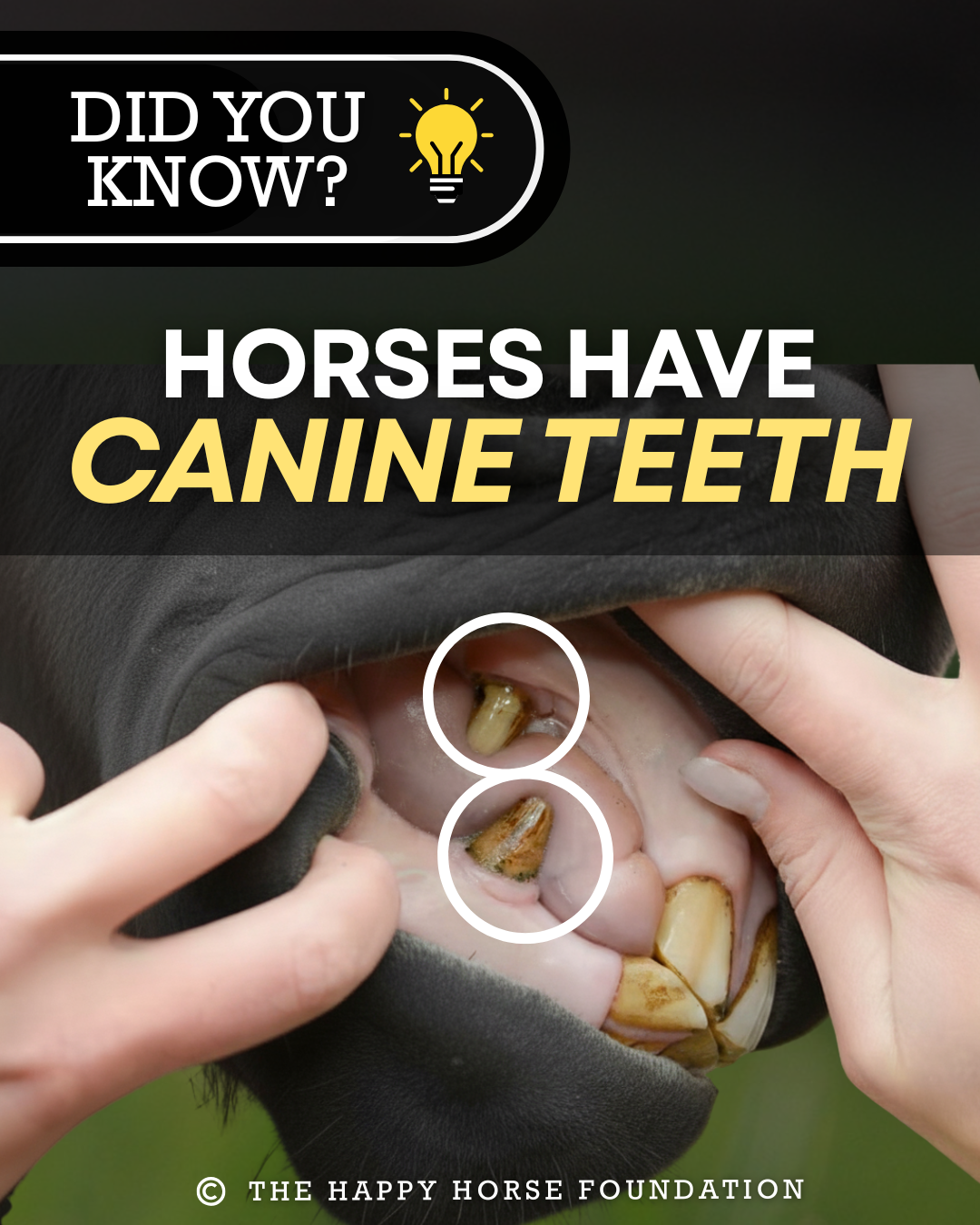
Did you know? Horses have canine teeth!
Did you know? Horses have canine teeth! Canine teeth are sharp, pointed teeth that sit in the gap (interdental space) … Read more

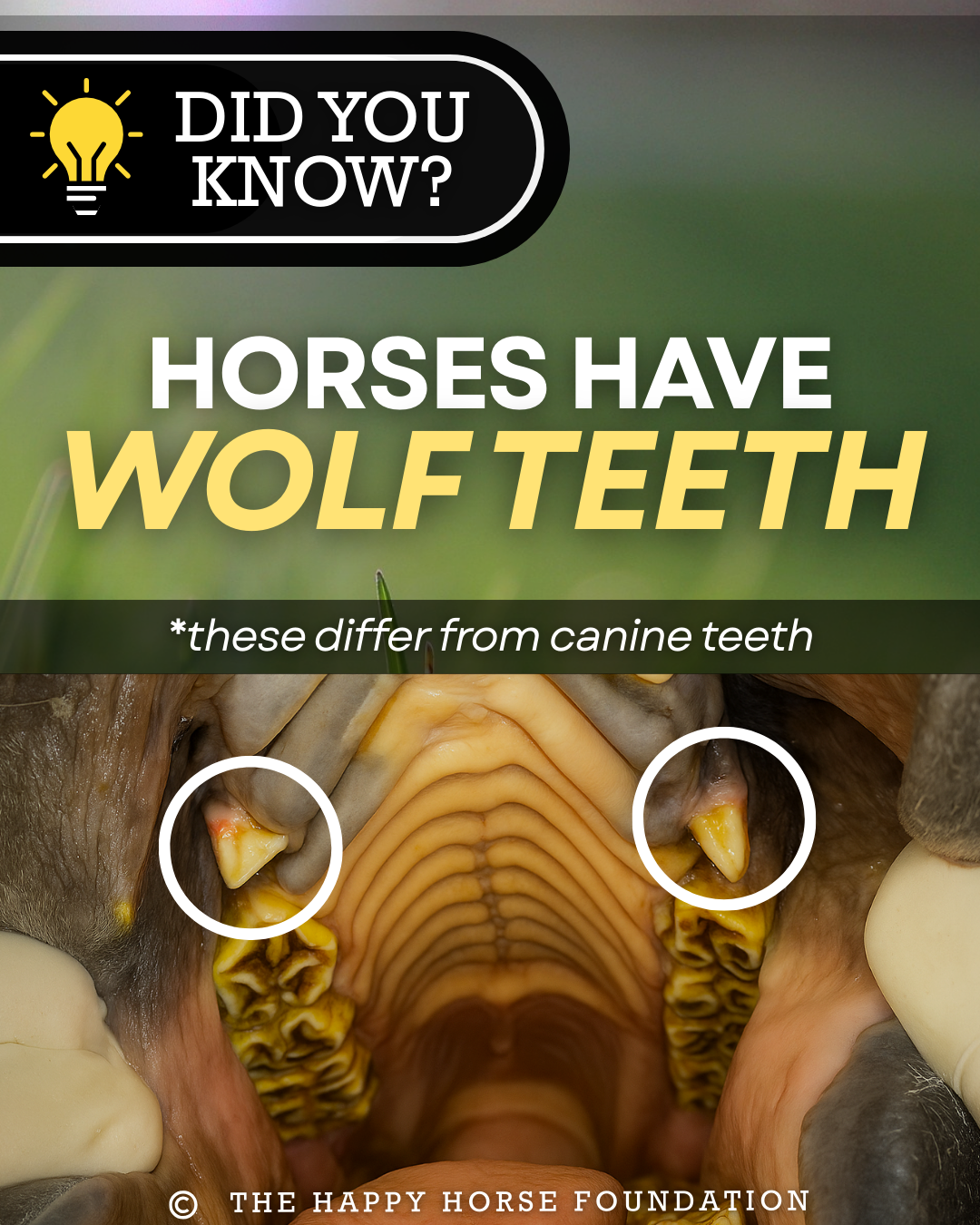
Did you know horses have wolf teeth?

Did you know horses have wolf teeth? Wolf teeth are small, vestigial premolars that sit just in front of the … Read more

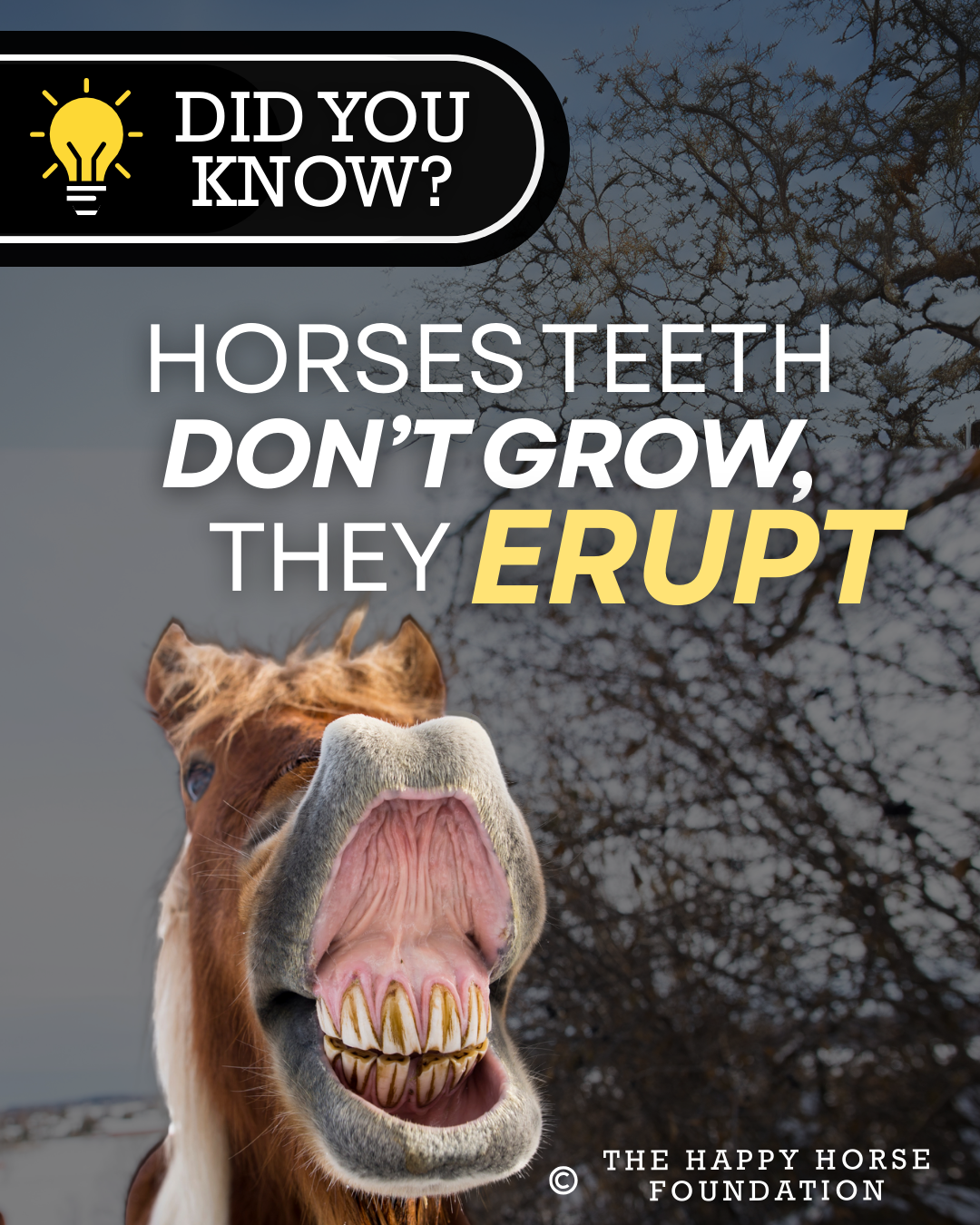
Horses teeth don’t grow, they erupt!

Horses teeth don’t grow, they erupt! Horse teeth are quite different from ours. Their permanent teeth are fully formed within … Read more

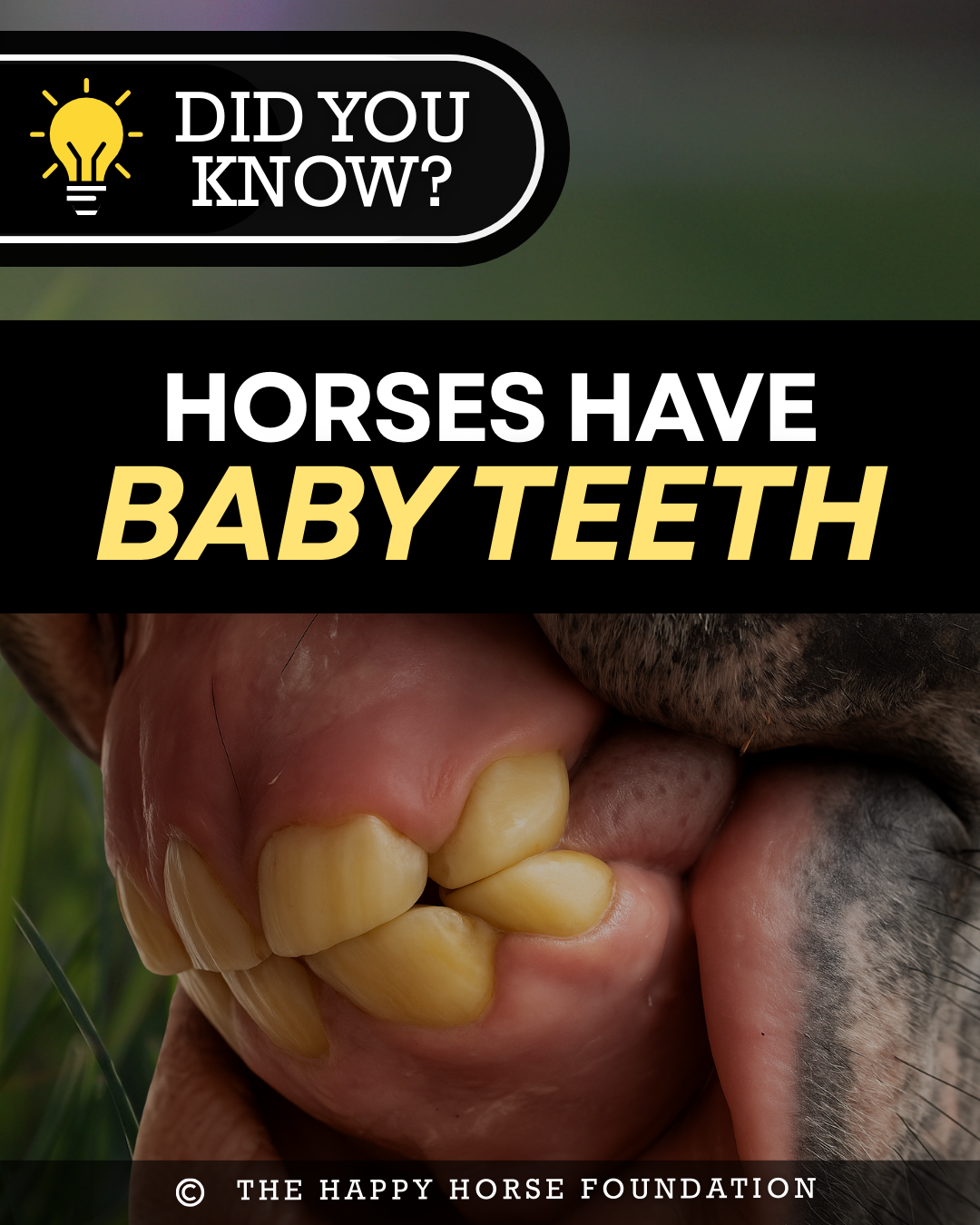
Did you know young horses have baby teeth?
Did you know young horses have baby teeth? Just like children, horses are born with deciduous (baby) teeth that make … Read more

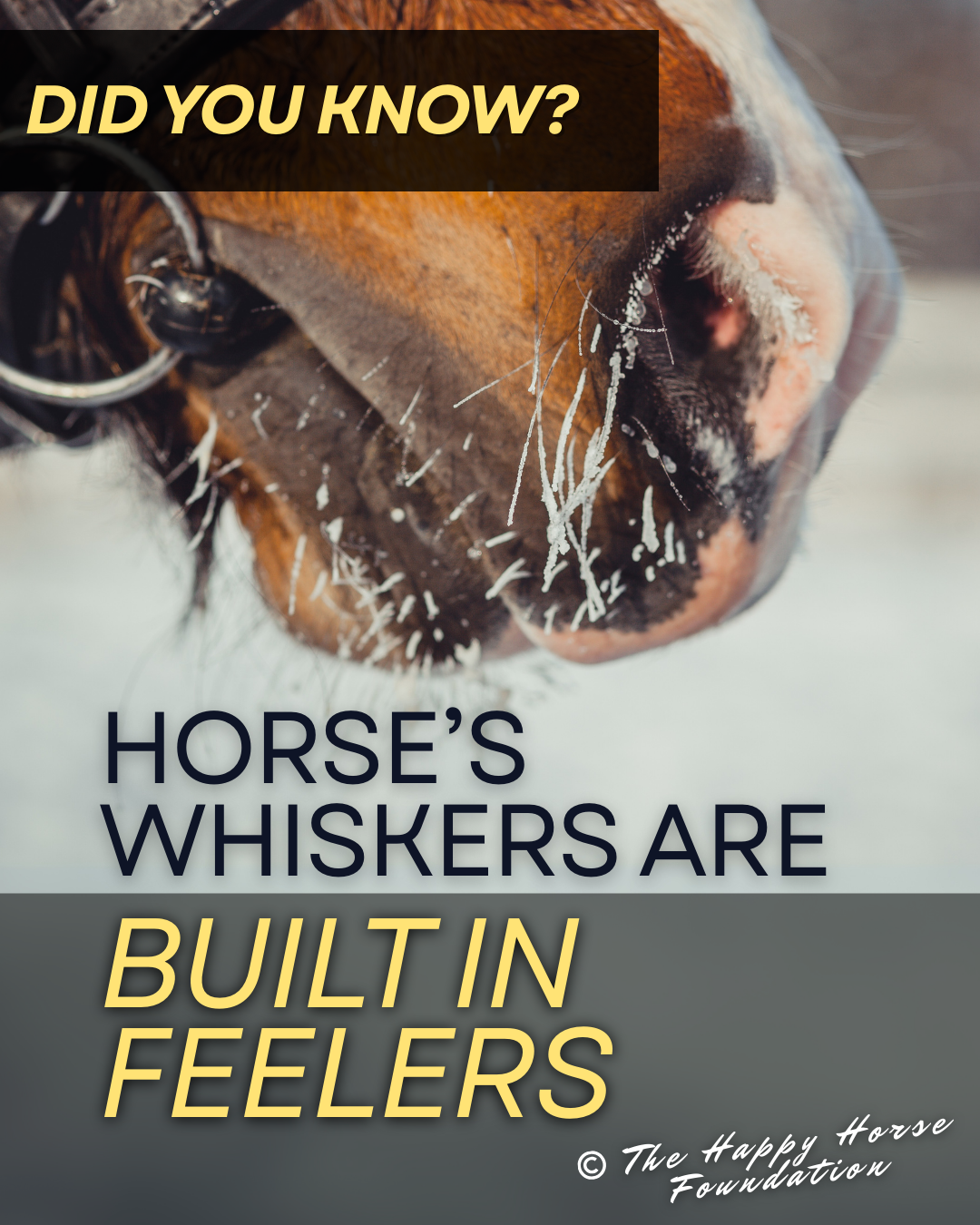
Horses whiskers are built-in feelers

Horses whiskers are built-in feelers The stiff hairs around a horse’s muzzle and eyes are called vibrissae, commonly known as … Read more

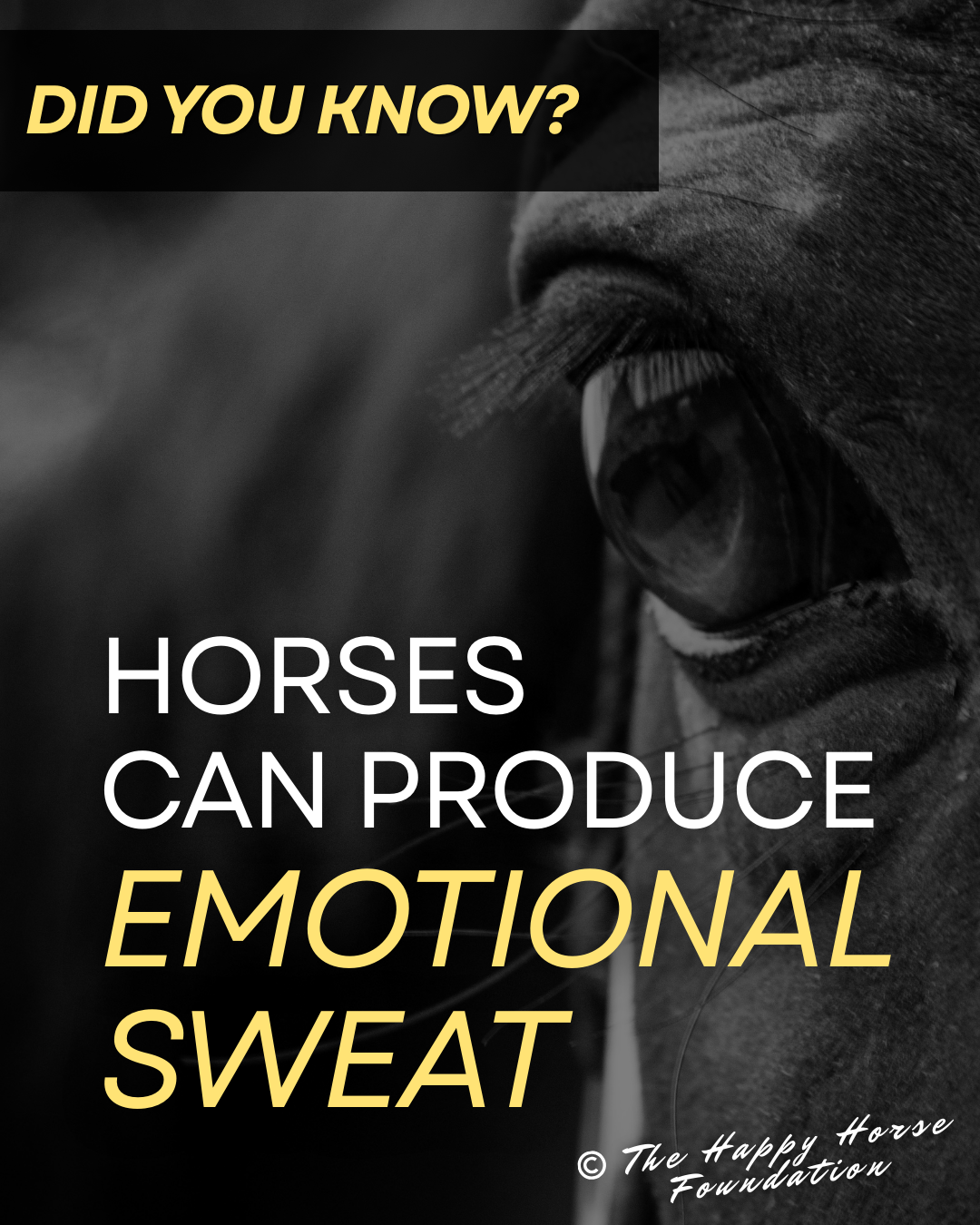
Horses can produce ’emotional sweat’

Horses can produce ’emotional sweat’ Sweating in horses isn’t just about regulating body temperature during exercise or hot weather. Horses … Read more

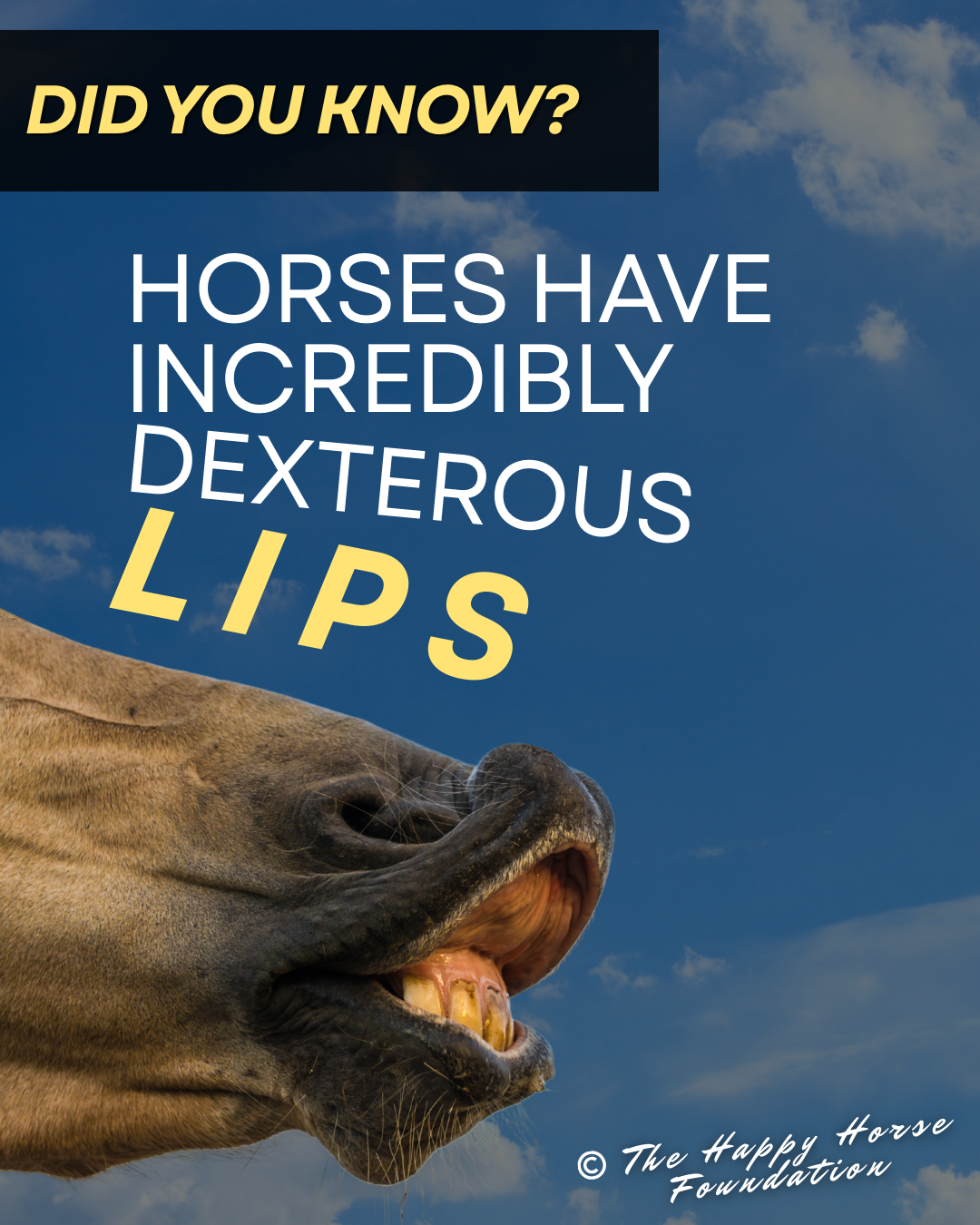
Lips like fingertips

Lips like fingertips A horse’s upper lip is one of the most sensitive and dexterous parts of its body. Packed … Read more

Aerated vs Stagnant Water

Aerated vs Stagnant Water Water quality is just as important as quantity when it comes to keeping horses healthy. While … Read more

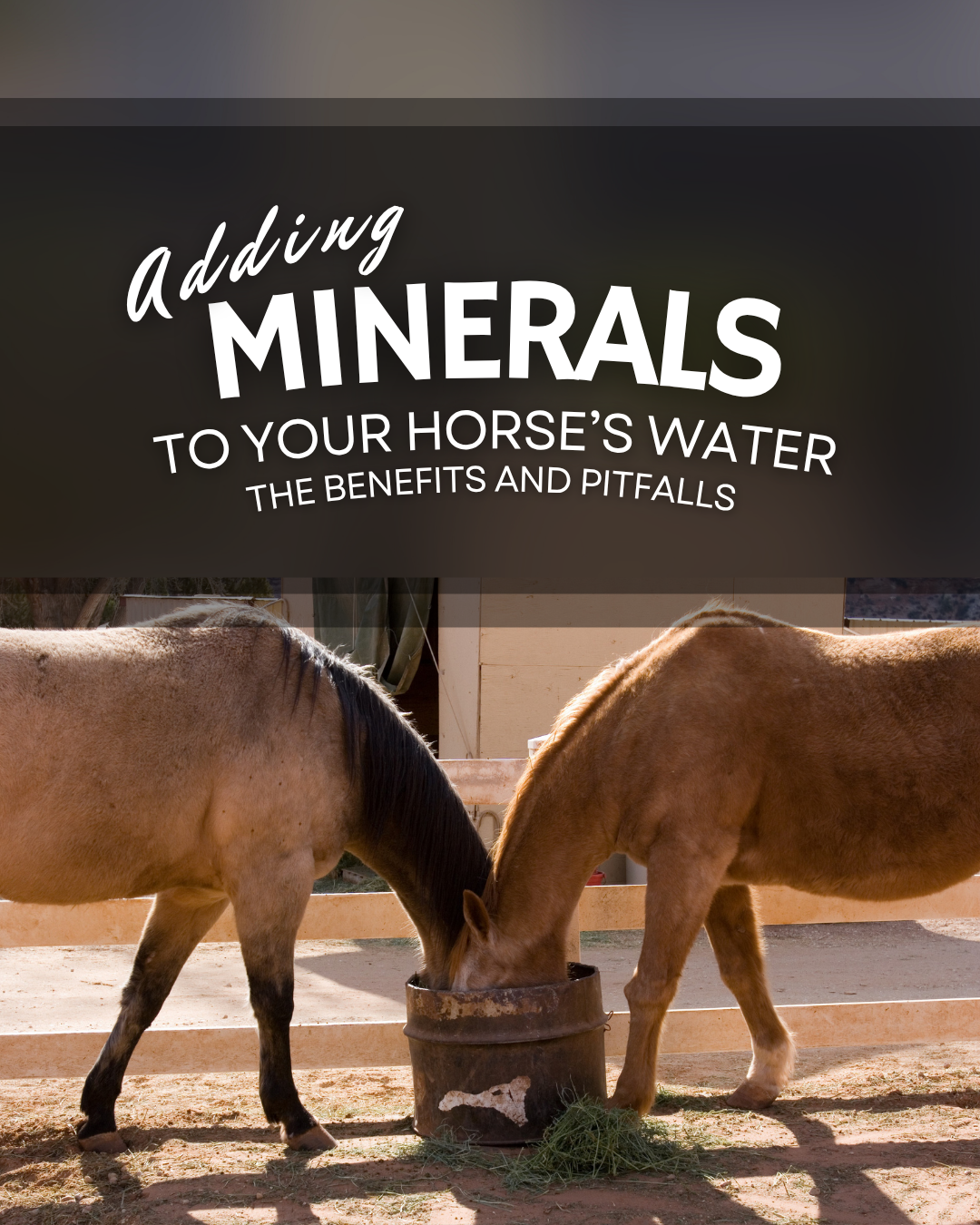
Adding minerals to your horses water

Adding minerals to your horses water For some horses, adding minerals directly to their water can seem like an easy … Read more
Encouraging a horse to drink more water
Encouraging a horse to drink more water. Horses may drink less than they need due to unfamiliar tastes, travel stress, … Read more

Dehydration in horses

Dehydration in horses Dehydration occurs when a horse loses more water than they consume. It can develop rapidly in hot … Read more

How much water do horses need?

How much water do horses need? On average, an adult horse should drink 25-50 litres (7-13 gallons) per day. The … Read more

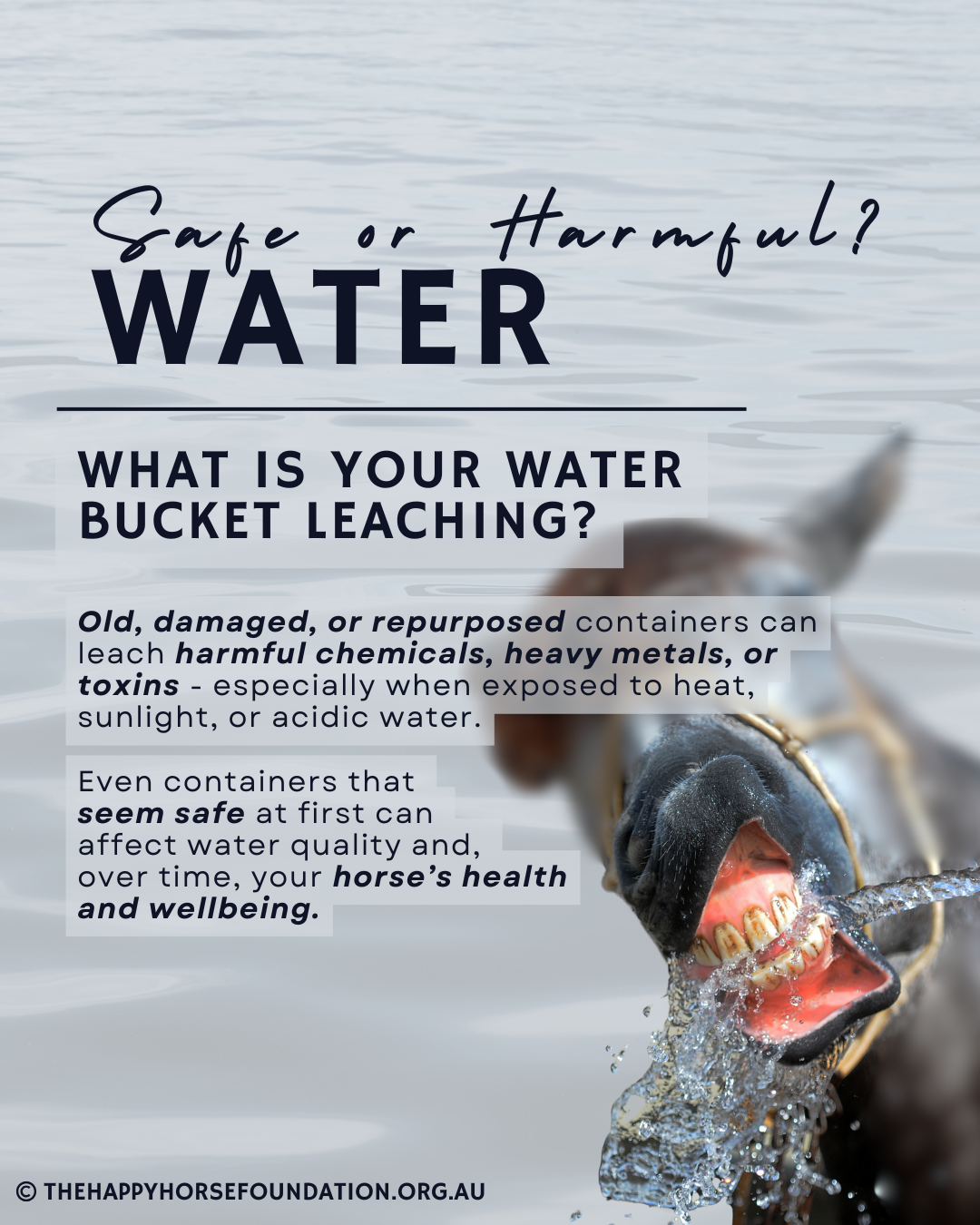
What is your horse drinking from?

What is your horse drinking from? The container your horse drinks from is just as important as the water source. … Read more

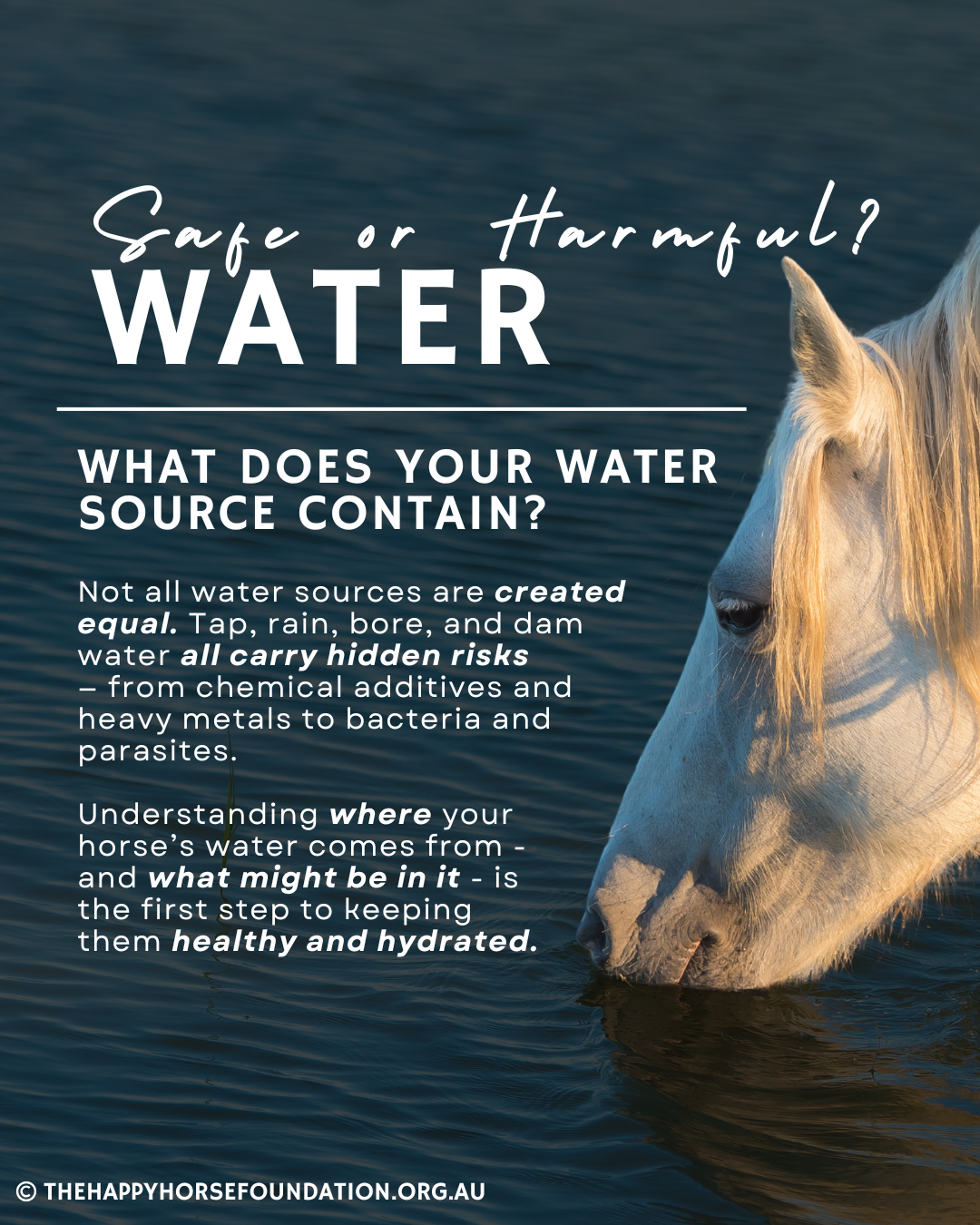
What is your horse really drinking?

What is your horse really drinking? Tap / Town WaterMains water is chemically treated to meet human safety standards, but … Read more

The importance of Hydration

Welcome to the importance of Hydration Here we are exploring why water is so important for your horse’s health and … Read more

What is Capturing?

Welcome to Capturing Here we are exploring the concept of Capturing – a training approach where you reinforce behaviours your … Read more

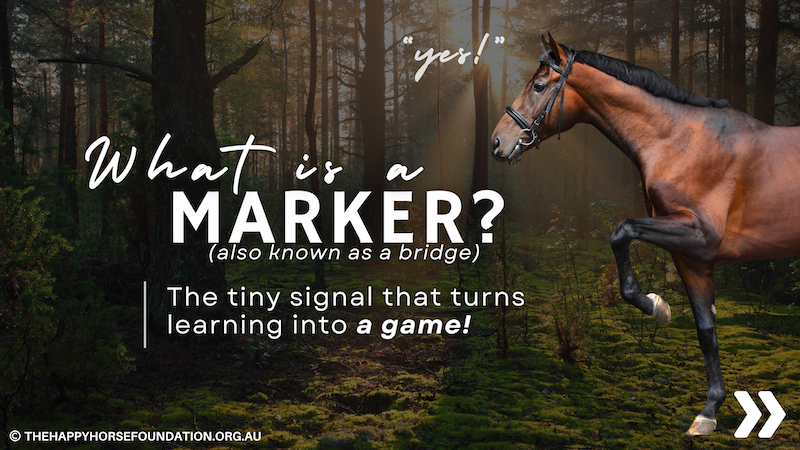
What is a Marker?

Welcome to Markers Here we are exploring the concept of a Marker – a clear, consistent signal that tells the … Read more

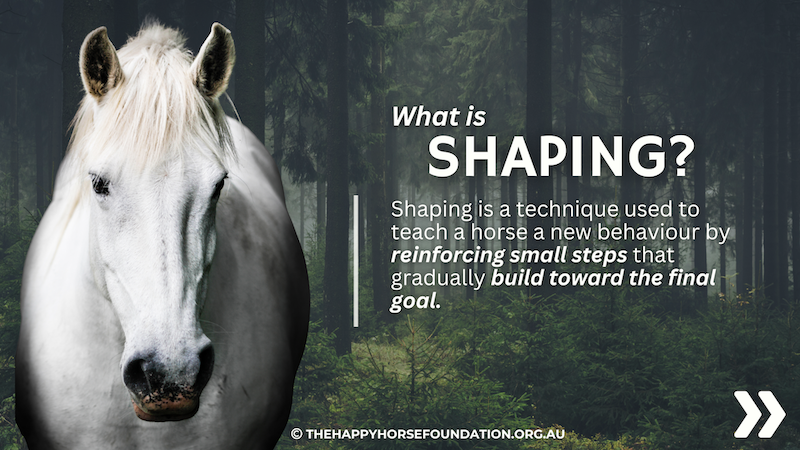
What is Shaping?

Welcome to Shaping Here we are exploring the concept of Shaping – a training approach where horses learn through a … Read more

Negative Punishment

Welcome to Negative Punishment Here we are exploring the concept of Negative Punishment – where horses learn by losing access … Read more

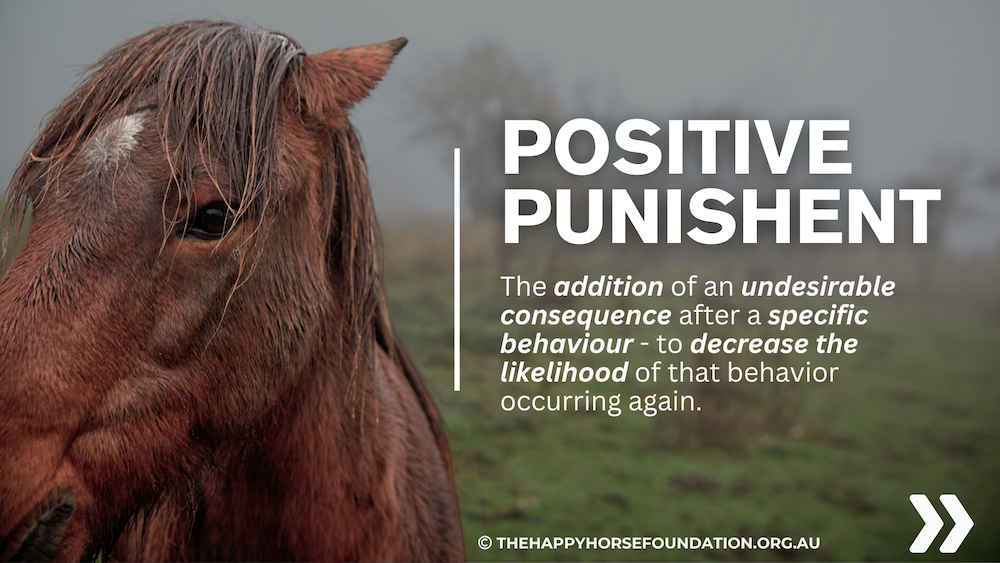
Positive Punishment

Welcome to Positive Punishment Here we are exploring the concept of Positive Punishment – where an aversive is added after … Read more

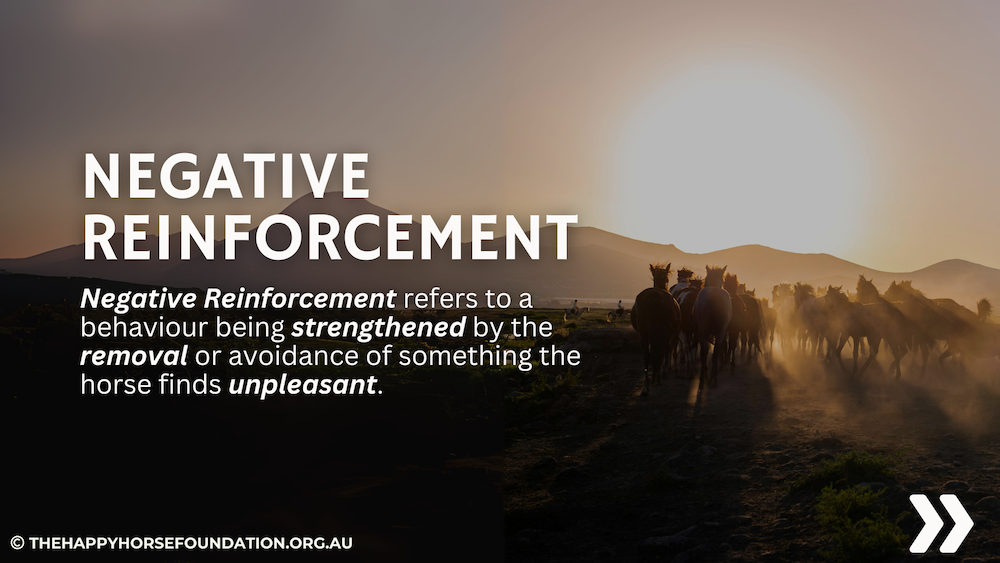
Negative Reinforcement

Welcome to Negative Reinforcement Here we are exploring the concept of Negative Reinforcement – where horses learn by finding relief … Read more

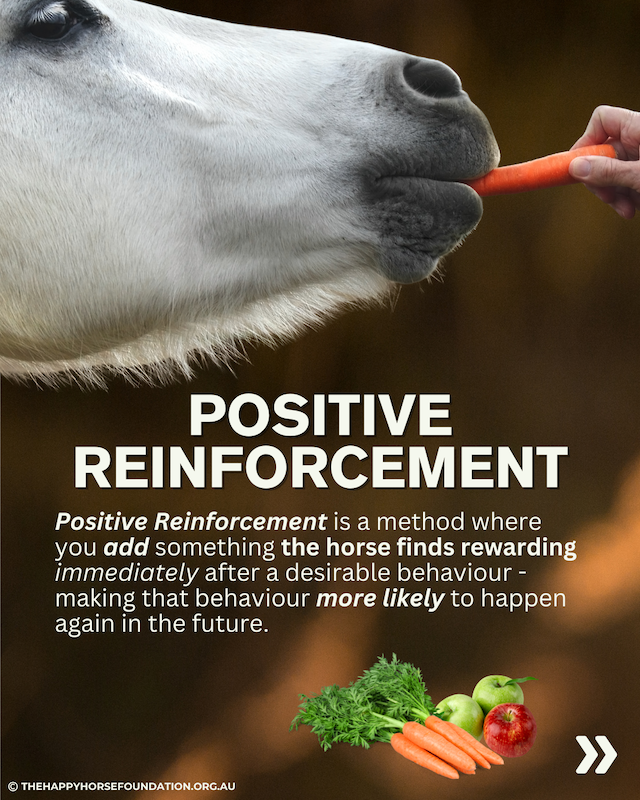
Positive Reinforcement

Welcome to Positive Reinforcement Here we are exploring the concept of Positive Reinforcement – where horses learn by being rewarded … Read more

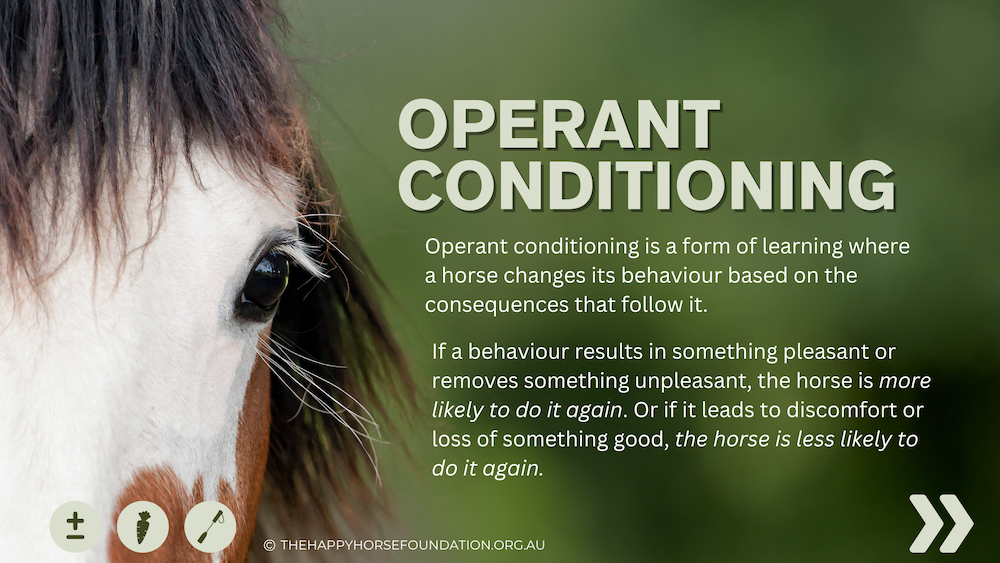
Operant Conditioning

Welcome to Operant Conditioning Here we are exploring the concept of Operant Conditioning – how horses learn through the consequences … Read more

Classical Conditioning

Welcome to Classical Conditioning Here we are exploring the concept of Classical Conditioning – how horses form emotional associations between … Read more

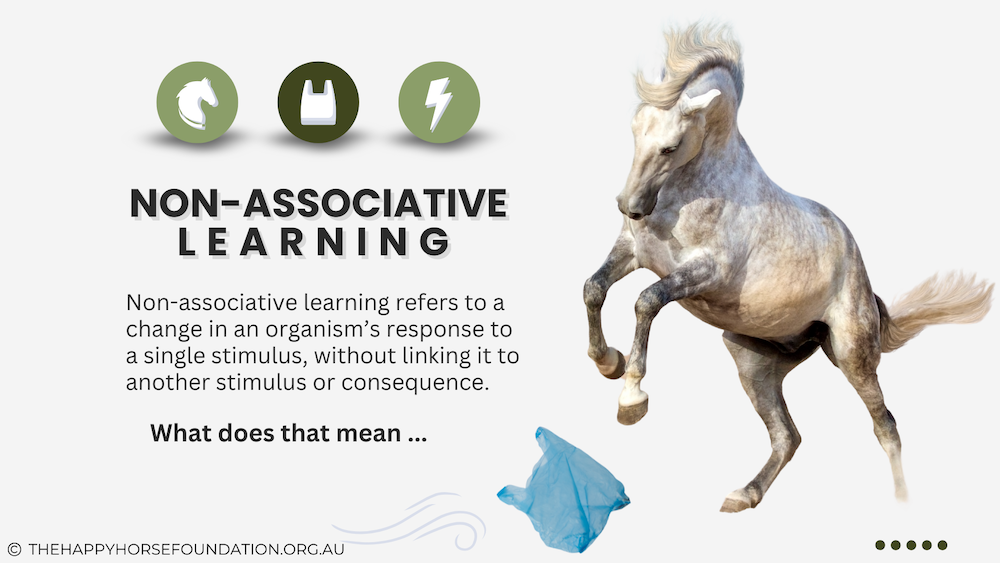
Habituation

Welcome to Habituation Here we will be diving into the concept of Habituation – one of the most common ways … Read more

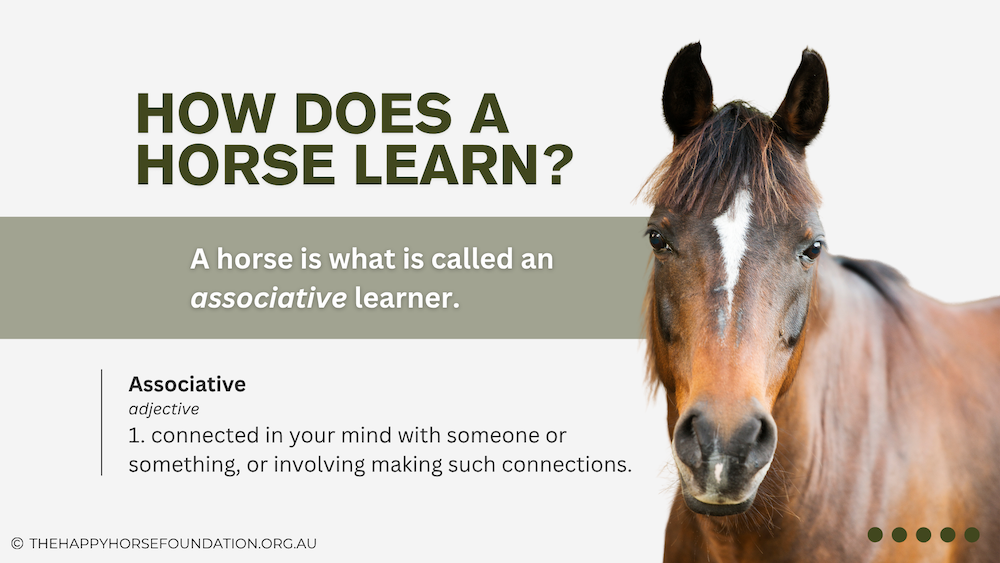
Associative Learning

Welcome to Associative Learning Today we’re exploring what Associative Learning is, what a stimulus means, and how the stimulus-response pathway … Read more

Learning Theory

Welcome to our series on Learning Theory Over the coming weeks, we’ll be exploring key concepts in learning theory and … Read more

Equine Ethics: Doing Right by the Horse

Equine Ethics: Doing Right by the Horse In a world where horses are often used for sport, leisure, work, or … Read more

The information provided in these articles is intended for general educational purposes only. It is not a substitute for professional veterinary advice, diagnosis, or treatment, nor does it replace guidance from qualified equine professionals such as veterinarians, dentists, farriers, or behaviour specialists.

Every horse is an individual, and health, behavioural and management decisions should always be made in consultation with an appropriately qualified professional who is familiar with your horse and circumstances.

While care has been taken to ensure the accuracy of the information shared, The Happy Horse Foundation makes no representations or warranties regarding completeness or applicability and accepts no liability for any loss, injury, or damage arising from reliance on this content.