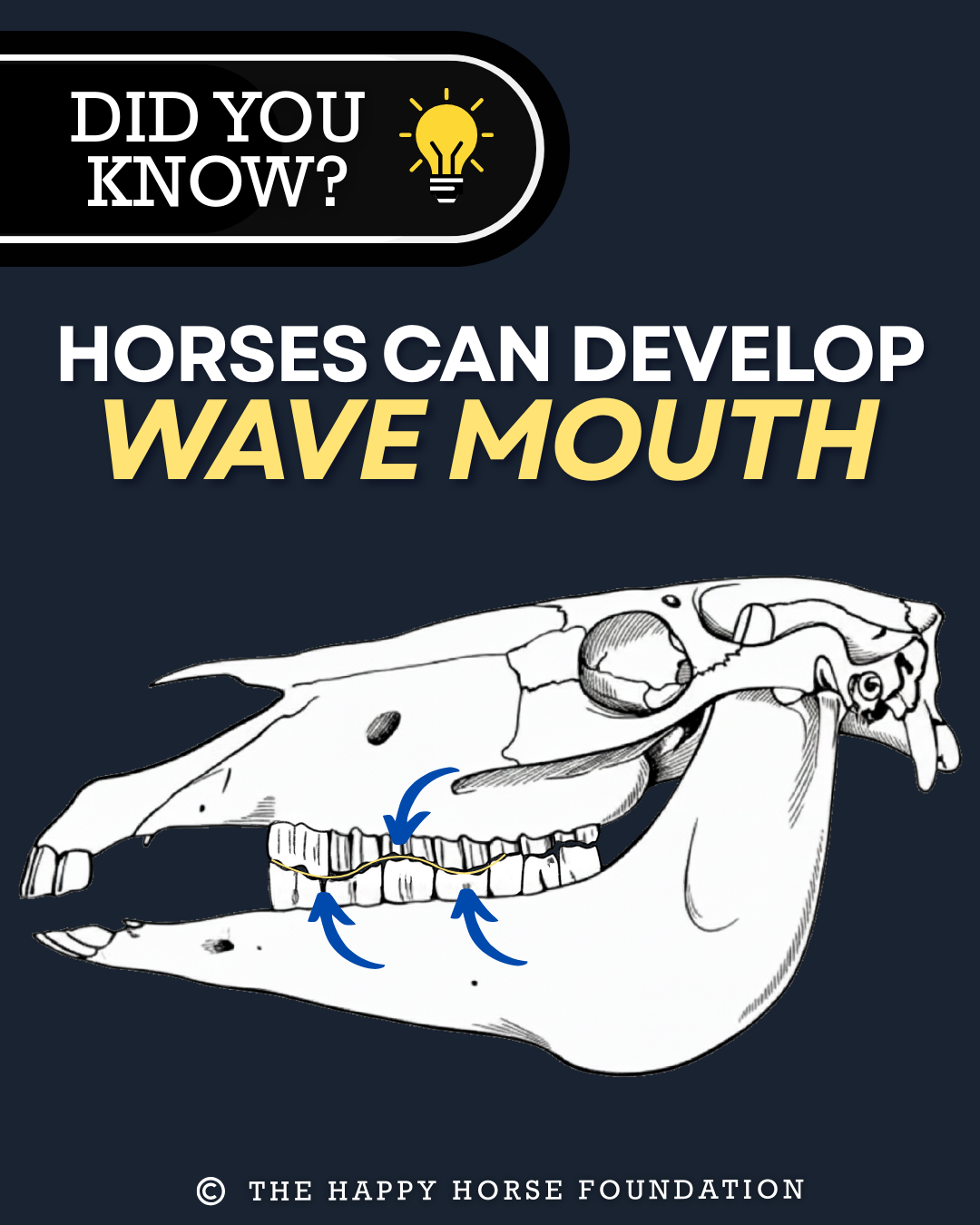
Did you know? Horses can develop wave mouth!
Wave mouth is an abnormal wear pattern where the chewing surface of the cheek teeth (molars) forms a
wavy, uneven line instead of a level grinding surface. Some teeth wear down too quickly, while others remain too long, creating alternating ‘peaks’ and ‘valleys’ along the row of molars.
This condition usually develops gradually over years and is often linked to:
- Retained baby teeth (caps).
- Missing or fractured teeth, leaving no opposing surface for normal wear.
- Long-term uneven chewing caused by misalignment or dietary factors.
Wave mouth can cause problems such as:
- Inefficient grinding of forage, reducing digestive effectiveness.
- Food trapping between teeth, leading to gum irritation or periodontal disease.
- Quidding (dropping partially chewed feed).
- Discomfort haltering, leading, bitting etc.
The best way to reduce the risk of wave mouth is to support natural chewing through a diet rich in long-stem forage. Horses evolved to spend most of the day chewing fibrous feed, which helps keep teeth evenly worn. Regular dental exams remain important to catch wave mouth early – and while floating can help manage established cases, prevention through species-appropriate feeding is always the first step.
By combining a fibre-first diet with consistent dental care, we can keep horses’ teeth balanced, functional, and free from painful wear abnormalities like wave mouth.
The Happy Horse Foundation is a registered charity with the Australian Charities and Not-for-profit Commission

The Happy Horse Foundation is a registered charity with the Australian Charities and Not-for-profit Commission

The Myth of the ‘Good Doer’ or ‘Easy Keeper’
The Myth of the ‘Good Doer’ or ‘Easy Keeper’ The Myth of the ‘Good Doer’ or ‘Easy Keeper’ Why everyday labels often hide discomfort in…
Read More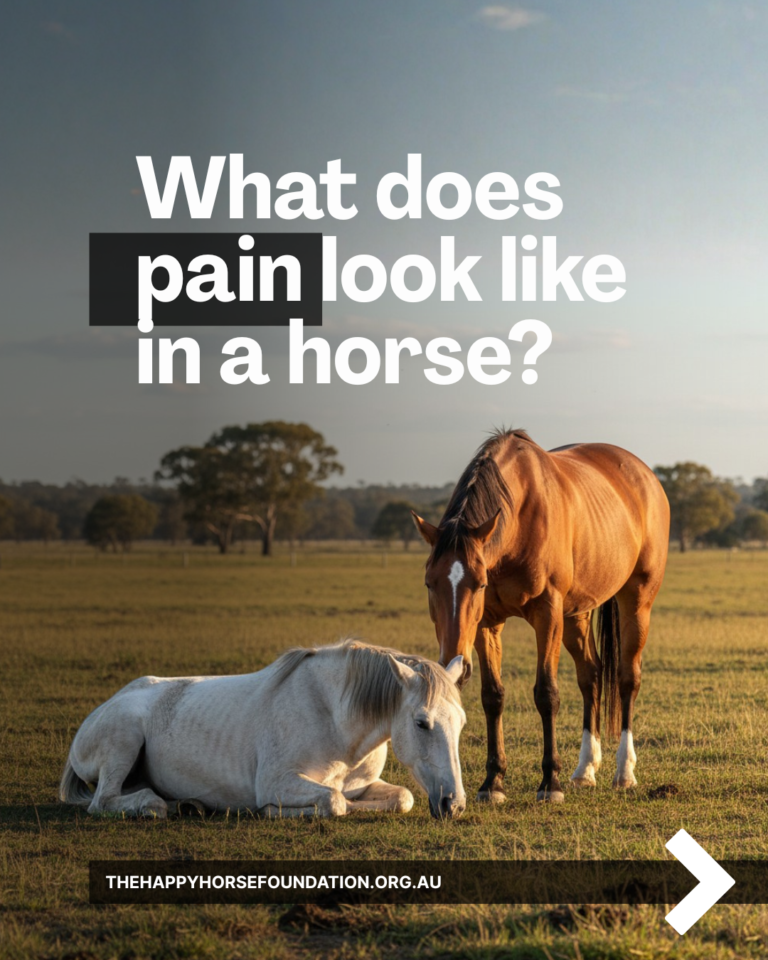
Pain ≠ Behaviour
Pain ≠ Behaviour Why everyday labels often hide discomfort in horses Pain in horses rarely looks the way we expect it to. It doesn’t always…
Read More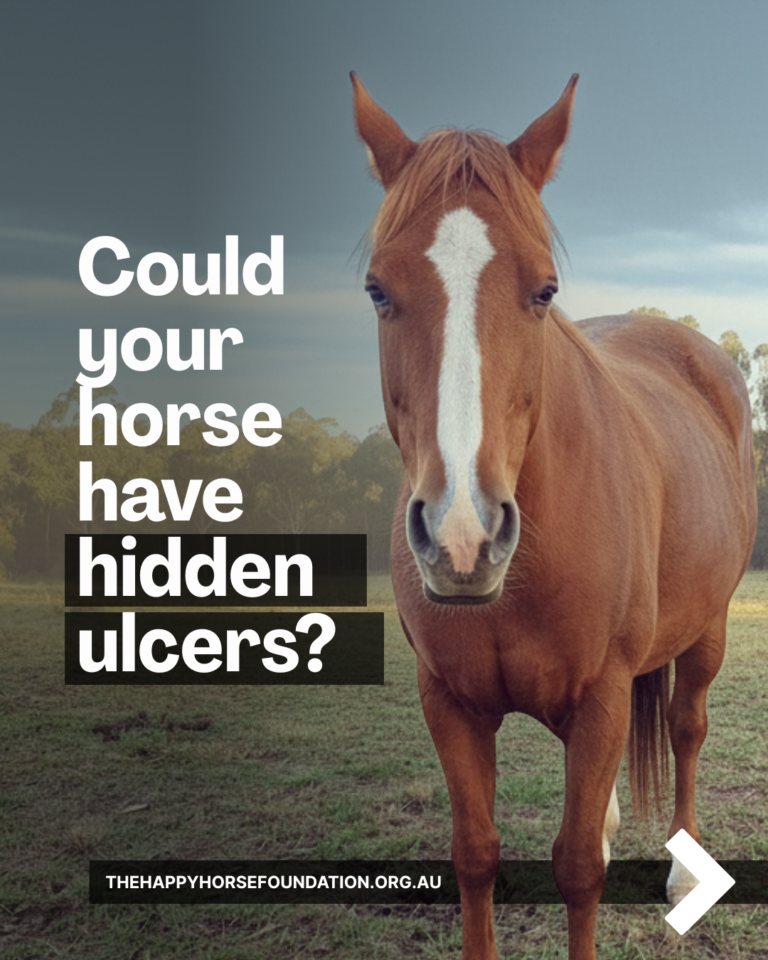
Gastric Ulcers in Horses
Gastric Ulcers in Horses How management, behaviour and biology interact to create ulcer risk How the horse’s digestive system functions A horse’s gastrointestinal tract is…
Read More