Gastric Ulcers in Horses
How management, behaviour and biology interact to create ulcer risk
How the horse’s digestive system functions
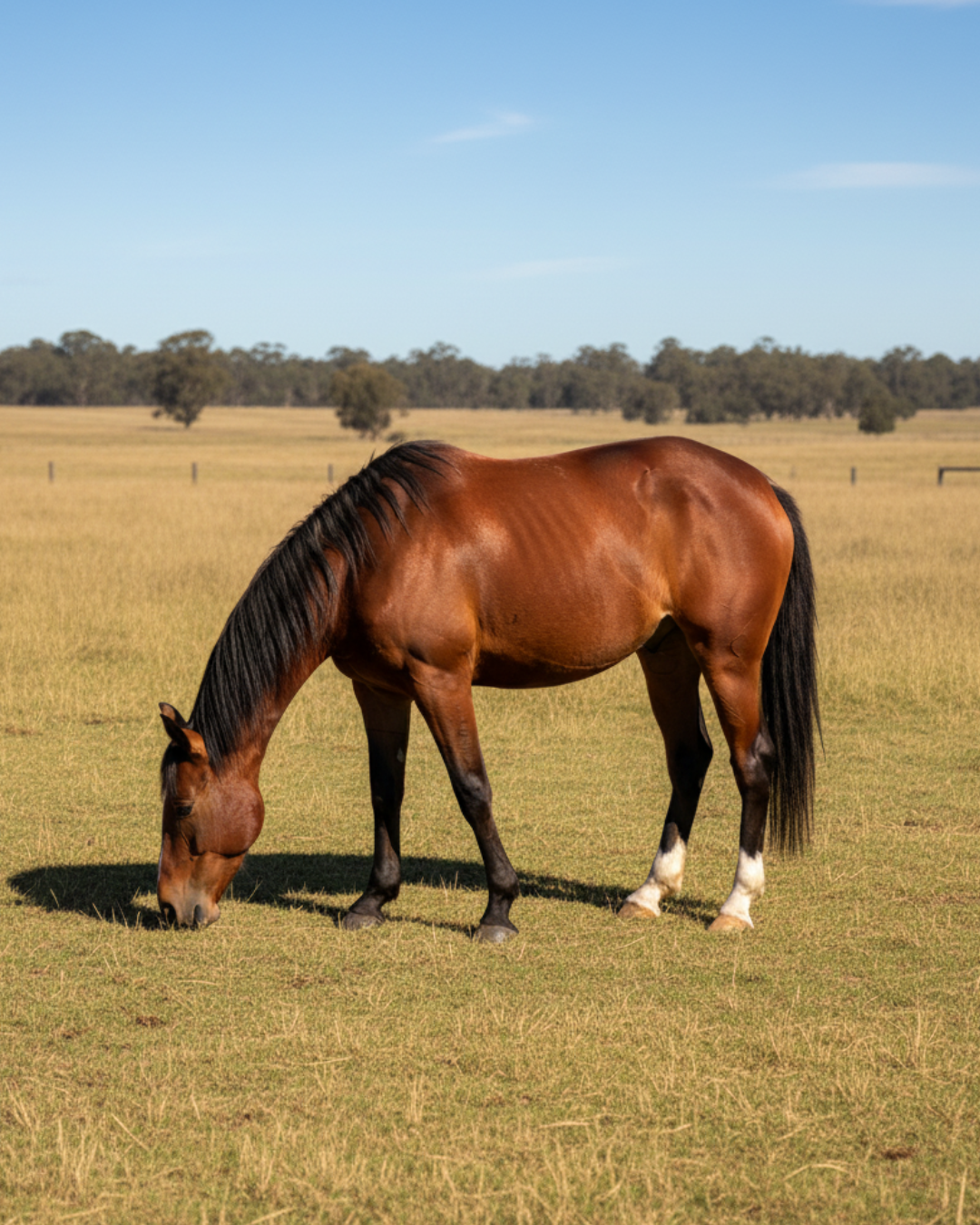
A horse’s gastrointestinal tract is designed for frequent intake of fibre. The stomach produces acid continuously, and regular chewing of forage produces saliva that helps buffer this acid. When horses have consistent access to fibre, the stomach tends to have a more stable environment, with less exposure of sensitive areas to acid.
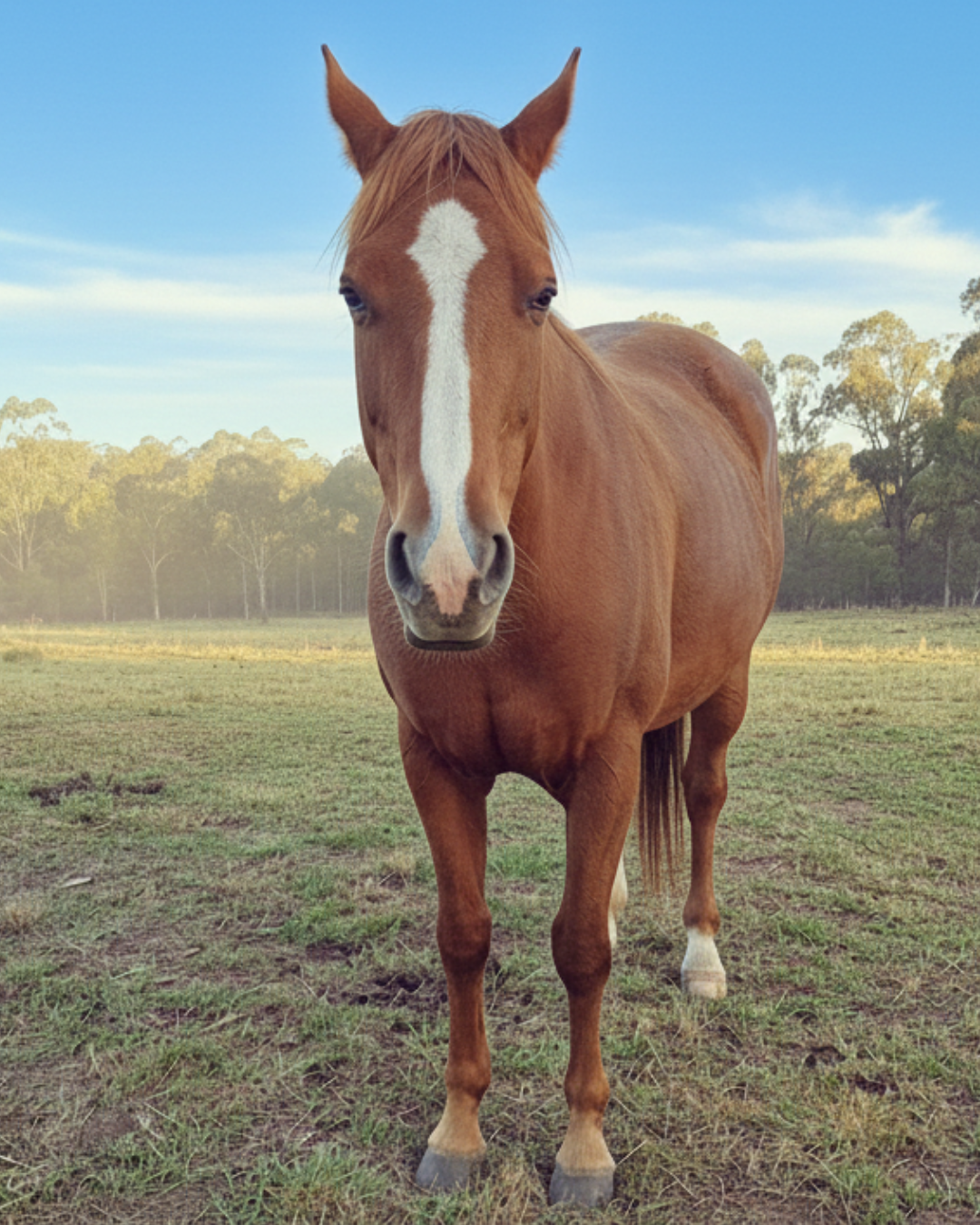
Dental pain in horses is common, often subtle and frequently misunderstood. Horses rarely show obvious signs of discomfort because they have evolved to mask vulnerability. Most dental disorders develop slowly, giving horses time to adapt. These adaptations often appear long before physical symptoms and provide the earliest clues that something is changing inside the mouth.
In many domestic settings, horses experience long intervals between meals, high starch feeds, irregular feeding schedules, restricted turnout, variable social contact and changes in workload. Transport, training pressure, illness and some medications can increase internal stress. These factors can disrupt the balance within the gastrointestinal tract and contribute to ulcer formation in both the stomach and the hindgut.
Reduced appetite can also be a consequence of ulceration, not just a contributor, which can create a cycle of decreased fibre intake and increased acidity.
Situations where horses are restricted for weight control, such as prolonged use of grazing muzzles or limited pasture access, can also increase risk if fibre intake becomes inadequate.
“In many cases, an official diagnosis is not essential before beginning gentle, low risk natural products and management.“
Gastric ulcers: equine gastric ulcer syndrome (EGUS)
Equine Gastric Ulcer Syndrome refers to ulceration within the stomach and has two recognised patterns.
Common sources of dental pain include:
- Equine squamous gastric disease (ESGD)
- Affects the thin, upper portion of the stomach
- Usually associated with increased exposure of this tissue to acid
- Linked with meal feeding, high starch diets, limited forage and high intensity exercise
- Equine glandular gastric disease (EGGD)
- Affects the lower portion of the stomach, which relies on a protective mucus layer and adequate blood flow
- Thought to occur when these protective mechanisms are reduced by chronic internal stress, changes in routine, illness or certain medications
- Risk factors do not always match those of ESGD and may involve different management pressures
- Research reports that gastric ulcers are common in both performance and recreational horses.
Hindgut ulceration and right dorsal colitis
Hindgut ulceration is less common than gastric ulceration but can have significant welfare implications. The best described form is right dorsal colitis, an ulcerative inflammatory condition of the right dorsal colon. It is strongly associated with prolonged or high dose use of non-steroidal anti-inflammatory drugs (NSAIDs).
Contributing factors can include:
- High starch diets
- Disruption of hindgut microbial balance
- Chronic stress
- Dehydration or concurrent illness
- Inappropriate or combined NSAID use
Hindgut disease can present mainly as behaviour change or intermittent discomfort, and it can be challenging to confirm.
How ulcers develop in horses
Multiple pressures often combine to create a higher risk of ulceration. Key contributors include:
Long gaps without forage
Reduced chewing leads to reduced saliva, while stomach acid continues to be produced.
High starch or high sugar feeds
Large concentrate meals increase acid load and can alter normal gut movement. Starch reaching the hindgut can cause fermentation changes and gas accumulation.
Exercise on an empty stomach
Physical exertion compresses the stomach, pushing acidic contents upward.
Restricted movement and limited turnout
Inconsistent or confined management can increase internal stress and reduce gut motility.
Social restriction or unpredictable routines
Horses benefit from stability and social contact. Sudden changes or isolation can increase stress-related vulnerability.
Underlying pain
Musculoskeletal discomfort, injury or chronic conditions can reduce appetite, alter posture and contribute to physiological stress.
Medication use
NSAIDs may reduce natural protective processes in both the stomach and the colon. Inaccurate dosing or combining NSAIDs increases risk.
Recent colic episodes
Horses can develop gastric or hindgut ulceration following colic. Reduced feed intake, dehydration, altered gastrointestinal motility, changes in microbial balance and the stress associated with the colic event all increase vulnerability. Some horses also receive NSAIDs during colic management, which can add further risk when not closely monitored.
It is usually an accumulation of several factors, rather than a single cause, that leads to clinically significant ulceration.
Behavioural indicators: the early signs many people miss
Horses often continue to eat and work despite discomfort. Subtle behavioural shifts are usually the first indicators:
- Girthiness or sensitivity when grooming over the sternum, belly or flanks
- Reluctance to be tacked up, mounted or caught
- Changes in willingness under saddle, such as reduced forward energy, resistance, rushing or stopping
- Increased tension or reactivity in situations the horse previously handled comfortably
- Irritability or low tolerance toward handling
- Increased spookiness or startle responses
- Social withdrawal or clinginess
- Changes in feeding or work routines
These signs do not prove ulcers. They show that the horse is uncomfortable and requires assessment.
Physical signs that may appear
As ulceration progresses, physical signs may develop. Many of these overlap with other conditions, so a comprehensive evaluation is essential.
Possible signs include:
- Weight loss or difficulty maintaining condition
- Delayed or dull coat shedding
- Inconsistent appetite or selective eating
- Intermittent mild colic
- Softer than usual manure or changes in faecal consistency
- Ventral oedema, particularly in right dorsal colitis
- Reduced performance or a general lack of comfort in movement
Ulcers can occur alongside other sources of discomfort, so resolving them may improve behaviour but not necessarily address every issue.
Diagnosis
Gastric ulcers can only be definitively confirmed by gastroscopy. This procedure uses an endoscope to visually examine the stomach and assess the location and severity of any lesions.
Hindgut ulceration and right dorsal colitis require broader evaluation. Diagnosis may involve a combination of:
“Many horses showing signs of discomfort benefit from gentle, low risk gut support before pursuing more invasive diagnostic procedures.”
- History of NSAID use
- Clinical signs and behavioural changes
- Blood tests assessing protein levels
- Ultrasound of the right dorsal colon
- Exclusion of other possible causes
Because no single test can confirm every form of hindgut disease, veterinarians interpret these findings as a whole.
In many cases, an official diagnosis is not essential before beginning gentle, low risk natural products and management. Reducing stress, improving forage access, adjusting feed and using appropriate gut support can be kinder than putting a horse through a potentially stressful veterinary assessment at the outset. If signs persist or worsen, ulcers should remain on the list of possibilities. If the horse is in severe distress, or if there are signs of acute colic or rapid deterioration, a professional veterinary opinion is recommended.
Treatment: combining treatment and management change
Supportive treatments
Many horses showing signs of discomfort benefit from gentle, low risk gut support before pursuing more invasive diagnostic procedures. Natural products designed to soothe or protect the stomach and hindgut can be useful in these situations. Options include:
- Fibre-based or mucilage-forming supplements that help coat the stomach lining and buffer stomach acid
- Herbal blends traditionally used to support digestive comfort and normal gut function
- Nutraceutical gut protectants formulated to support the stomach’s natural defences and normal hindgut fermentation
- Probiotics and microbial-support products intended to help stabilise normal hindgut balance, particularly in horses with recent feed changes, stress, illness or mild digestive disturbance
These approaches can help settle the gastrointestinal environment and support the horse while management changes are implemented. They are not replacements for veterinary care, but they can be a practical first step for horses showing early behavioural or physical signs.
These gentle supports work best when combined with improvements in routine, forage availability, movement, feed quality and overall stress reduction.
Medical treatment
When signs are severe, veterinary treatment can be appropriate. Gastric ulcers are commonly treated with omeprazole prescribed by a veterinarian. This medication reduces gastric acid secretion and has strong evidence for effectiveness in squamous ulceration when dosed correctly.
Glandular ulcers often respond more slowly and may require additional medications such as sucralfate, misoprostol or other treatments depending on the veterinarian’s assessment.
Hindgut ulceration or right dorsal colitis requires careful management of NSAID use, targeted dietary changes and specific colon-supportive treatments. More serious cases need close veterinary monitoring.
Completing treatment and addressing underlying causes
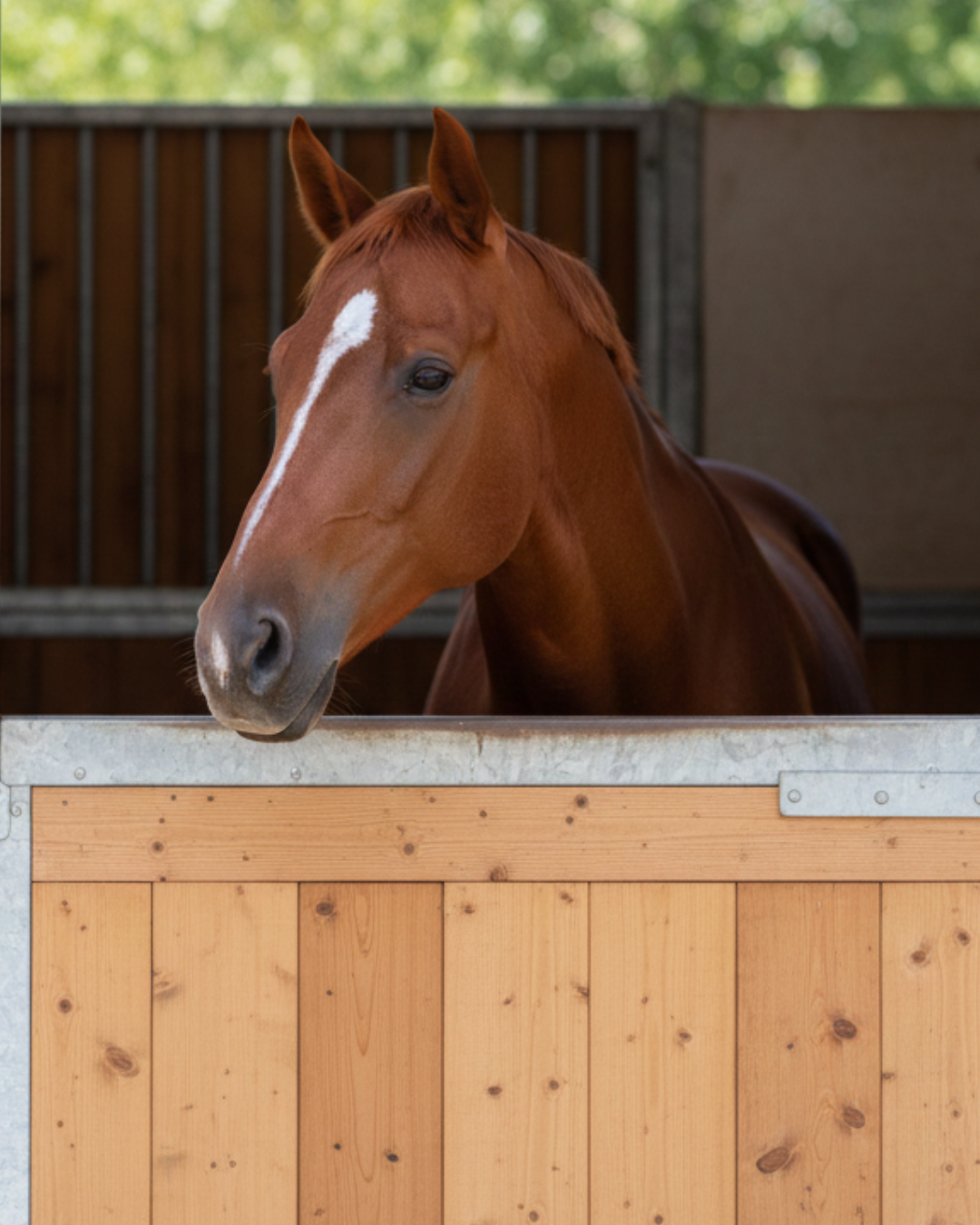
Completing the full treatment course is important, even if the horse seems more comfortable early in the process. Early improvement often reflects reduced irritation rather than full healing, and the stomach lining, particularly in glandular disease, requires more time to repair. Ending treatment too soon can expose unhealed tissue to acid again and increase the risk of relapse.
Just as important as the medication itself is correcting the management factors that contributed to the ulcers. Without improvements in areas such as forage access, feed type, turnout, movement, social contact, routine and overall stress levels, the conditions that allowed the ulcers to develop will remain in place. Even well treated ulcers can recur quickly if the underlying pressures are unchanged. Combining the full course of treatment with thoughtful, sustainable management adjustments gives the best chance of complete healing and greatly reduces the likelihood of the problem returning.
Welfare-focused management
Long term improvement depends on management that supports the horse’s physical and behavioural needs. Important principles include:
- Frequent access to forage
Reducing long gaps without fibre is one of the most reliable ways to support both digestive health and emotional stability. - Reduced starch and sugar
Lower starch feeds, fibre-based concentrates and gradual dietary adjustments help stabilise the stomach and hindgut. - Increased movement
Turnout and opportunities to walk freely support gut motility and reduce internal stress. - Social contact
Horses benefit from consistent interactions with other horses. Safe visual, tactile and shared turnout contact can reduce stress-related vulnerability. - Predictable routines
Smooth transitions and consistent daily patterns reduce the internal stress that can contribute to ulcers. - Considered use of medications
Discuss NSAID use with your veterinarian and explore alternatives when appropriate. - Early attention to pain
Saddle fit issues, foot soreness and musculoskeletal discomfort all influence gut health by altering posture and behaviour.
These changes support welfare broadly, beyond ulcer prevention alone.
A welfare perspective
Ulcers are frequently discussed in the context of performance. In reality, they represent a mismatch between a horse’s health needs and the pressures of domestic life. These pressures can include reduced grazing time, limited movement, confinement to small yards or stables, irregular feeding schedules, social isolation, frequent travel, training intensity, abrupt changes in routine and the internal stress that arises when a horse has little control over its environment. Behaviour changes, resistance under saddle, feeding issues and tension often reflect discomfort rather than disobedience.
When owners understand how ulcers develop and learn to recognise early indicators, intervention can occur long before serious disease develops. Welfare is improved when we respond to subtle signs, reduce stressors and ensure horses have access to fibre, movement, social contact and predictability in their daily routine. Advocacy begins with observing, asking questions and adjusting management to support comfort and wellbeing.
References
- Sykes, B. W. et al. (2015). European College of Equine Internal Medicine Consensus Statement: Equine gastric ulcer syndrome in adult horses. Journal of Veterinary Internal Medicine, 29, 1288–1299.
- van den Boom, R. et al. (2022). Equine gastric ulcer syndrome in adult horses. Veterinary Clinics of North America: Equine Practice, 38(1), 47–70.
- Vokes, J. et al. (2023). Equine gastric ulcer syndrome: An update on current knowledge. Animals, 13(9), 1495.
- Banse, H. E. (2024). Review of equine glandular gastric disease. Equine Veterinary Education.
- Galvin, N. & Dillon, H. (2004). Right dorsal colitis in the horse. Irish Veterinary Journal, 57(9), 548–553.

The Happy Horse Foundation is a registered charity with the Australian Charities and Not-for-profit Commission

The Happy Horse Foundation is a registered charity with the Australian Charities and Not-for-profit Commission

The Myth of the ‘Good Doer’ or ‘Easy Keeper’
The Myth of the ‘Good Doer’ or ‘Easy Keeper’ The Myth of the ‘Good Doer’ or ‘Easy Keeper’ Why everyday labels often hide discomfort in…
Read More
Pain ≠ Behaviour
Pain ≠ Behaviour Why everyday labels often hide discomfort in horses Pain in horses rarely looks the way we expect it to. It doesn’t always…
Read More
Gastric Ulcers in Horses
Gastric Ulcers in Horses How management, behaviour and biology interact to create ulcer risk How the horse’s digestive system functions A horse’s gastrointestinal tract is…
Read More