Recognising Dental Pain in Horses
Signs, Causes and Practical Management
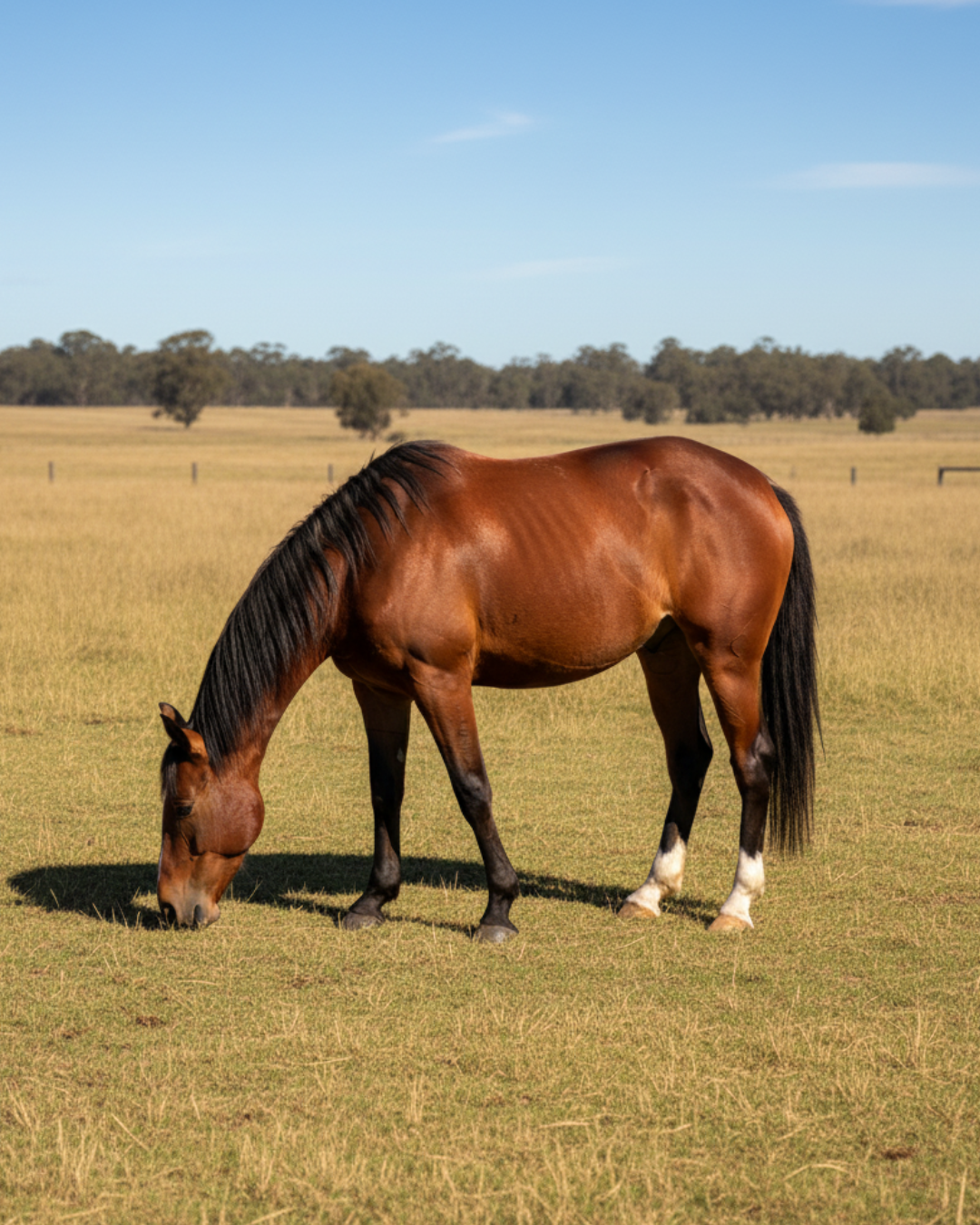
Dental pain in horses is common, often subtle and frequently misunderstood. Horses rarely show obvious signs of discomfort because they mask vulnerability for survival. Most dental disorders develop slowly, giving horses time to adapt. These adaptations often appear long before physical symptoms and provide the earliest clues that something is changing inside the mouth.
Understanding these early indicators, the underlying causes and the principles of prevention allows owners to support their horses more effectively. It also strengthens welfare by reducing the likelihood of chronic pain, weight loss and long-term disease.
Dental pain in horses is common, often subtle and frequently misunderstood. Horses rarely show obvious signs of discomfort because they have evolved to mask vulnerability. Most dental disorders develop slowly, giving horses time to adapt. These adaptations often appear long before physical symptoms and provide the earliest clues that something is changing inside the mouth.
Horses are prey animals. Their instinctive response to discomfort is to minimise outward signs. This behaviour evolved for survival, but it complicates modern care. Dental pain may continue for months while the horse adjusts how it chews, holds its head or responds to everyday interactions. These subtle behavioural changes are often misinterpreted as quirks or training problems rather than early signs of discomfort.
“Horses rarely show obvious signs of dental pain – they adapt long before they show discomfort.“
Recognising these changes early allows owners to intervene before disease progresses or pain becomes severe.
What Causes Dental Pain
Dental pain arises from several interacting factors. Horse teeth erupt continuously and rely on long periods of grazing and chewing abrasive forage to maintain natural wear. When natural wear is insufficient or the dental arcades become imbalanced, sharp enamel points, overgrowths or periodontal pockets can form.
Common sources of dental pain include:
- Sharp enamel points caused by uneven wear
- Periodontal disease affecting the gums and supporting tissues
- Fractured teeth that expose the sensitive pulp
- Diastemata that trap food and contribute to infection
- Missing teeth that allow opposing teeth to overgrow
- Abnormal eruption in young horses
- Dental abscesses involving cheek tooth roots
Management factors such as limited access to long-stem forage, reduced grazing time or concentrate-heavy diets reduce chewing time and alter jaw mechanics, increasing the risk of dental pathology [1, 3].
“Horse teeth erupt continuously … chewing abrasive forage maintains natural wear.“
Behavioural Signs of Dental Pain
Behavioural changes often appear long before any physical signs. These early indicators can be subtle and easy to overlook, yet they provide some of the most reliable clues that a horse is experiencing oral discomfort.
Changes at feed time are among the first signs owners may notice. Horses may drop partially chewed feed, chew slowly, avoid coarse hay or tilt the head to relieve pressure on a painful area. Some begin to eat more messily or show reduced interest in long-stem forage. Excessive salivation or drooling can also occur, particularly when chewing is uncomfortable.
“Undesired behaviour likely reflects discomfort rather than resistance.”
Observation in the paddock provides valuable insight. Horses in dental pain may graze less, graze in shorter bouts or favour softer patches of pasture. They may withdraw from herd interactions, appear unsettled or shift their posture more frequently. Any deviation from a horse’s usual temperament, social behaviour or grazing pattern can be significant.

Early signs also emerge during routine handling. Horses may become reactive when the head or jaw is touched, avoid haltering, hold tension around the muzzle or display irritability or guarded behaviour that feels out of character. These changes often reflect discomfort rather than resistance.
These early signs should prompt investigation well before the horse is bridled or ridden. While ridden discomfort may appear as head tossing or reluctance to take contact, owners should aim to recognise the earlier behavioural shifts that arise during feeding, turnout and everyday handling.
Identifying and addressing these changes early is one of the most effective ways to protect welfare. Any behavioural change should be investigated as a potential source of pain before training or correction is considered.
Physical Signs of Dental Pain
Physical signs may appear suddenly in cases of acute injury, such as a fractured tooth, or may develop gradually as disease progresses and the horse becomes unable to compensate. Some conditions produce subtle physical changes, while others create rapid and obvious discomfort.
Common physical indicators include:
- Common physical indicators include:
- Foul breath caused by infection
- One-sided nasal discharge, often with a strong odour
- Swelling of the face or jaw
- Excessive salivation
- Blood in saliva after chewing coarse feed
- Weight loss or a decline in body condition
- Undigested feed visible in manure
These signs suggest dental pathology and require prompt dental or veterinary assessment [1, 2].
Welfare Implications of Dental Pain
Dental pain affects more than chewing efficiency. It can reduce a horse’s willingness to graze, affect hydration, disrupt herd interactions and alter posture. Chronic discomfort may contribute to musculoskeletal tension, changes in movement or reduced performance.
From a welfare perspective, early detection prevents prolonged pain. Horses depend on continuous chewing for both digestive health and behavioural fulfilment. Protecting dental health therefore plays a central role in supporting the Five Domains of animal welfare, particularly nutrition, physical comfort and mental state.
Early Detection and Veterinary Assessment
Regular observation is the foundation of early detection. Owners who understand their horse’s normal chewing behaviour, grazing patterns and responses to handling are best positioned to notice when something changes.
Routine dental examinations every six to twelve months allow early identification of abnormalities before they become painful [1, 2]. Dental exams can detect sharp points, malocclusions, periodontal disease and structural changes.
“A basic knowledge of equine dental care empowers you to speak up for your horse, even when the professionals don’t get it right.”
Some conditions require diagnostic imaging. Radiography or computed tomography may be necessary to evaluate tooth roots, periodontal pockets or sinus involvement, particularly when clinical signs remain subtle [2].
Natural Management for Dental Health
Natural, species-appropriate management forms the basis of sustainable dental health. Horses evolved to graze for many hours each day, consuming high-fibre, abrasive forage that supports natural dental wear. Management practices that align with this biology help prevent many dental problems.
Supporting dental health begins with:
- Abundant access to long-stem forage
- Continuous, low-stress grazing
- Turnout that allows free movement
- A fibre-based, low-sugar diet rather than concentrate-heavy or highly processed feeds
- Social interaction and environmental enrichment
These practices stimulate saliva flow, encourage balanced chewing and support digestive and behavioural health. Many early dental issues stabilise or improve when horses return to consistent, natural grazing.
However, when structural abnormalities, fractures, severe periodontal disease or abscesses occur, natural management alone is not enough. Professional dental or veterinary treatment restores comfort so natural behaviour and grazing can resume.
Practical Steps for Owners
Owners can support their horses by establishing a routine that combines observation, natural management and regular dental care:
- Observe daily chewing, grazing, behaviour and responses to handling
- Provide forage-based diets and minimise unnecessary concentrates
- Schedule regular dental checks
- Seek assessment promptly when subtle changes appear
- Rely on natural management for ongoing maintenance after professional treatment
Conclusion
Dental pain in horses is common but often hidden. Recognising early behavioural signs, understanding the causes and acting promptly protects long-term welfare and comfort. Natural, fibre-rich management supports healthy dental wear, while professional care addresses structural disease when necessary. Horses with comfortable mouths eat, move and interact more naturally and experience better overall wellbeing.
Owners who remain observant and proactive play a vital role in safeguarding their horses’ dental health.
References
- Dixon, P. M., Du Toit, N., Staszyk, C., and Barakzai, S. (2014). Equine dental disorders. Equine Veterinary Journal, 46(5), 611–618.
- Simhofer, H., Griss, R., and Zetner, K. (2011). Clinical features and diagnosis of equine dental disease. Journal of Veterinary Dentistry, 28(4), 224–232.
- Du Toit, N., Burden, F. A., Kempson, S. A., and Dixon, P. M. (2009). The impact of dental disorders on nutrition in horses. Equine Veterinary Education, 21(7), 353–360.
The Happy Horse Foundation is a registered charity with the Australian Charities and Not-for-profit Commission

The Happy Horse Foundation is a registered charity with the Australian Charities and Not-for-profit Commission

The Myth of the ‘Good Doer’ or ‘Easy Keeper’
The Myth of the ‘Good Doer’ or ‘Easy Keeper’ The Myth of the ‘Good Doer’ or ‘Easy Keeper’ Why everyday labels often hide discomfort in…
Read More
Pain ≠ Behaviour
Pain ≠ Behaviour Why everyday labels often hide discomfort in horses Pain in horses rarely looks the way we expect it to. It doesn’t always…
Read More
Gastric Ulcers in Horses
Gastric Ulcers in Horses How management, behaviour and biology interact to create ulcer risk How the horse’s digestive system functions A horse’s gastrointestinal tract is…
Read More